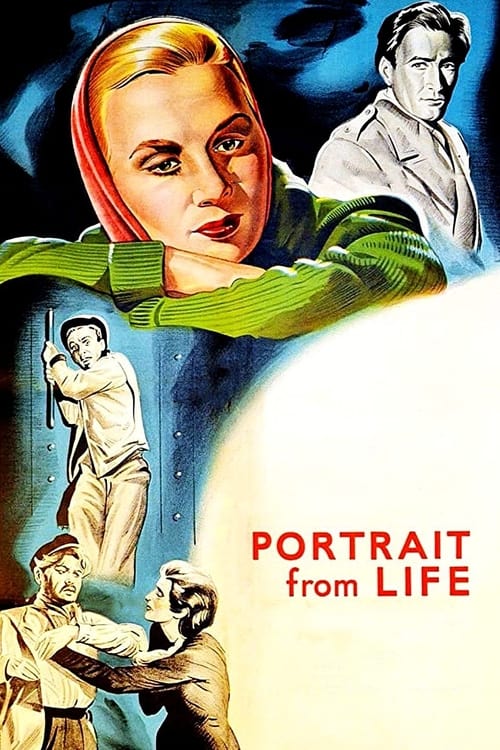
Portrait from Life
1948
No user ratings available yet
Representation score: 2.2 out of 10
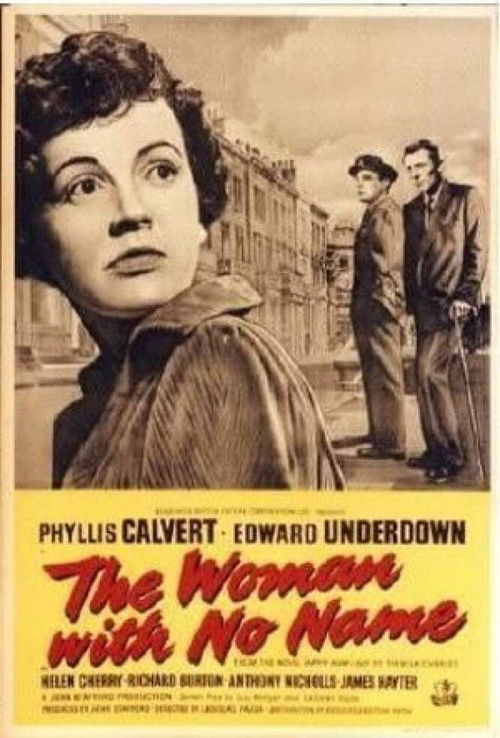
Representation Score
Limited
1950
ApprovedDirector
Ladislao Vajda
Runtime
84 minutes
Average Rating
No ratings yetNew Showbiz Analysis
Ladislao Vajda’s drama is a character-driven exploration of identity set in the social norms of 1950s European cinema. While it centers on a woman and delves into the psychological complexities of amnesia, it does not challenge the era's traditional hierarchies. The film lacks depth in terms of racial and LGBTQ+ diversity. The narrative structure reinforces conventional social orders without critiquing systemic power or cultural institutions. Ultimately, the film succeeds as a humanistic mystery but falls short in providing a diverse representation of the human experience.
Category Breakdown
The film does not include any LGBTQ+ themes or characters. There are no representations of non-straight relationships or identities.
A female protagonist drives the central mystery, focusing on her experience. However, her amnesia makes her a passive participant in the story, limiting her control over events.
The film reflects the homogeneous demographics of the 1950s, with no evidence of non-white actors or intentional ethnic diversity in the London and European settings.
The drama focuses on personal identity within a stable social framework. It does not critique Western institutions or systemic oppression, instead favoring conventional storytelling.
Amnesia serves as the main plot driver and a tool for character development. While the portrayal is meaningful, it emphasizes the protagonist's dependency due to her condition.
Present on Screen
Limited or Absent
Official Synopsis
This is a British drama film from 1950 about a young woman in London in WW2 with amnesia.
1948
1942

1951
1948
1948

1945
1942
1929
No reviews yet. Be the first to share your thoughts on this movie!
Use the rating form above to leave a star rating and optional review.