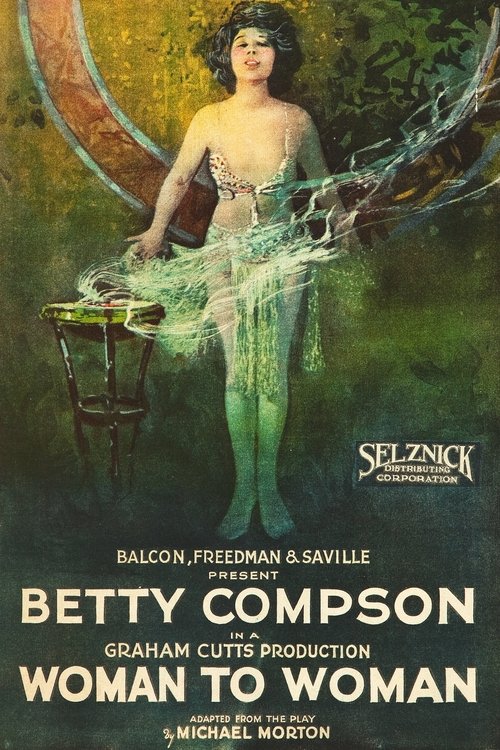
Woman to Woman
1923
No user ratings available yet
Representation score: 3.3 out of 10
Representation Score
Limited
1929
NRDirector
Victor Saville
Runtime
75 minutes
Average Rating
No ratings yetNew Showbiz Analysis
Woman to Woman is a transitional cinematic work that prioritizes psychological realism over strict Victorian moralism. It successfully challenges traditional gender hierarchies by giving the female lead significant emotional autonomy and control over her romantic pursuits. However, the film is constrained by the social norms of its time. It lacks diverse representation, particularly for LGBTQ+ identities and non-white characters, and uses disability and memory loss primarily as plot devices without exploring the lived experiences of those affected.
Category Breakdown
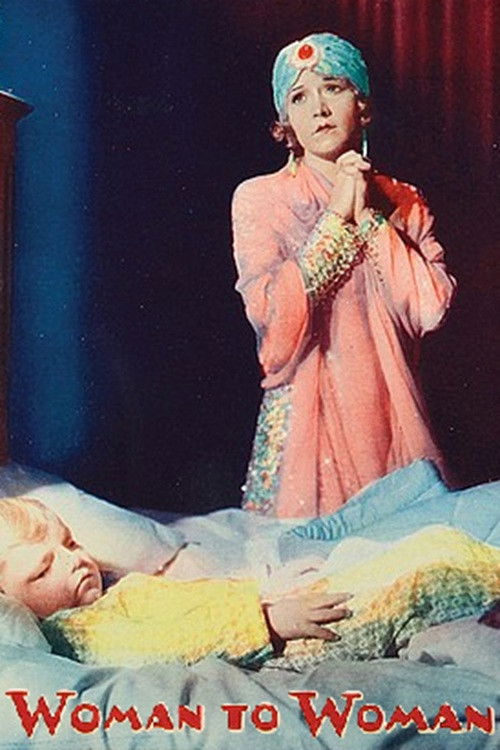
The film follows traditional romantic structures common in the late 1920s, focusing on a love triangle involving a British officer and a French cabaret performer.
The story centers on the female lead's emotional autonomy and individual desires, which drive the drama. It challenges the stereotype of submissive femininity by emphasizing her ability to act.
The cast is predominantly white and Eurocentric. Although the film features interactions between English and French characters, there is no significant racial blending.
The film frames infidelity through emotional necessity rather than religious condemnation, avoiding the rigid good-versus-evil dichotomy in favor of a more nuanced, character-driven approach.
Combat-related injuries and memory loss are used mainly as plot devices to create romantic conflict. These elements do not delve into the lived experiences of disability or give characters a significant role in driving the story.
Present on Screen
Limited or Absent
Official Synopsis
While on leave in WW I France an English officer and French cabaret star fall in love with one another and plan to marry. However, he is recalled to the front, wounded and has memory loss.
1923

1942

1929

1971
1928
1932

1928
1927
No reviews yet. Be the first to share your thoughts on this movie!
Use the rating form above to leave a star rating and optional review.