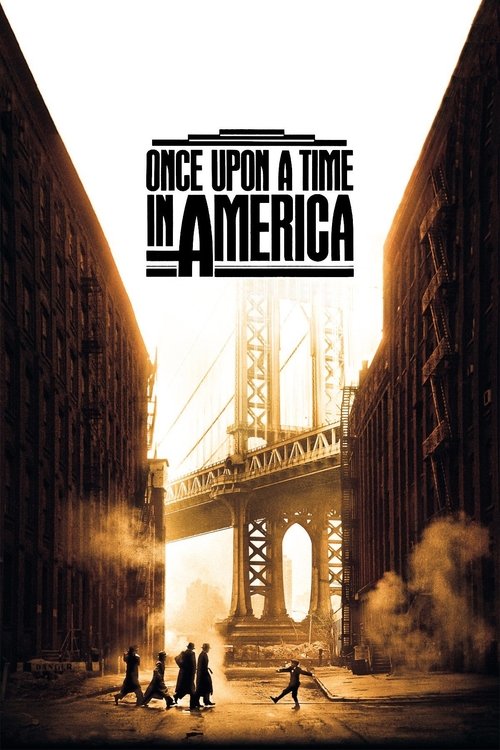
Once Upon a Time in America
1984
No user ratings available yet
Representation score: 5.9 out of 10

Representation Score
Limited
2020
RDirector
Josh Trank
Runtime
103 minutes
Average Rating
No ratings yetNew Showbiz Analysis
Capone is a traditional biographical character study that emphasizes the protagonist's internal decline due to dementia. While it offers a nuanced look at cognitive disability, it does not address broader social or identity-based dynamics. Structurally, the film is limited by its narrow focus on a specific historical era and a homogeneous cast. It explores the unreliability of memory but lacks the diversity needed to challenge traditional hierarchies or offer a more progressive perspective on the period's social constraints.
Category Breakdown
The film follows a traditional storyline that assumes everyone is straight and cisgender, with no LGBTQ+ characters or non-cisgender identities.
The story centers around male figures and lacks strong female roles. Female characters do not have significant influence or meaningful involvement in the plot.
The cast is predominantly white and male, focusing on a traditional white, male-dominated criminal world. The story stays rooted in a historical perspective that centers on Anglo culture.
The film explores memory and the subjectivity of truth using a postmodern lens. It focuses on personal experiences rather than broader cultural or systemic issues.
The protagonist's struggle with dementia drives the psychological tension in the story. He takes a leading role in navigating his condition.
Present on Screen
Limited or Absent
Official Synopsis
The 47-year old Al Capone, after 10 years in prison, starts suffering from dementia and comes to be haunted by his violent past.
1984

1992

2015

1994

2021

2003

2018

2010
No reviews yet. Be the first to share your thoughts on this movie!
Use the rating form above to leave a star rating and optional review.