Charlie Says
2019
No user ratings available yet
Representation score: 4.7 out of 10
Representation Score
Fair
2003
RDirector
Matthew Ryan Hoge
Runtime
108 minutes
Average Rating
No ratings yetNew Showbiz Analysis
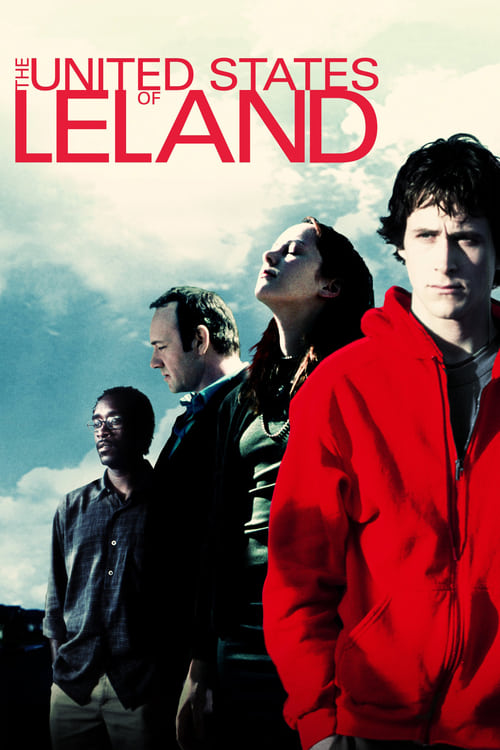
The United States of Leland is a localized psychological drama that prioritizes existential inquiry over demographic breadth. It functions as a closed ecosystem, focusing on a specific, homogeneous social landscape that lacks multi-layered depth. While the film successfully critiques the failure of traditional masculinity and the instability of the nuclear family, it does so through a narrow lens. The narrative relies on a predominantly white, small-town setting that reinforces a traditional Anglo-Saxon social structure. Ultimately, the film's impact is limited by its reliance on certain clichés, particularly regarding disability. It explores moral relativism effectively but fails to provide meaningful representation for underrepresented identities.
Category Breakdown
The film does not include LGBTQ+ characters or explore non-straight relationships. The central romance between Leland and Becky follows traditional heterosexual structures without engaging with queer themes.
The story focuses heavily on male psychological states and fractured paternal structures. Female characters like Becky and Julie serve primarily as emotional anchors rather than independent agents.
Set in a predominantly white, small-town American environment, the film features a homogeneous demographic. It lacks significant minority representation or casting that challenges historical norms.
The story challenges moral binaries by humanizing a perpetrator of violence. It also critiques traditional Western institutions, portraying the family unit as fractured and unstable.
A mentally disabled boy's murder drives the plot, but the character serves mainly as a tragic device. The film lacks nuanced development beyond the victim cliché.
Present on Screen
Limited or Absent
Official Synopsis
A withdrawn young man, Leland Fitzgerald is imprisoned for the murder of a mentally disabled boy, who also happened to be the brother of his girlfriend, Becky. As the community struggles to deal with the killing, Pearl Madison, a teacher at the prison, decides to write about Leland's case. Meanwhile, others affected by the murder, including Becky and her sister, Julie, must contend with their own problems.
2019

1967
2006
1971
2010

2006
2017

1986
No reviews yet. Be the first to share your thoughts on this movie!
Use the rating form above to leave a star rating and optional review.