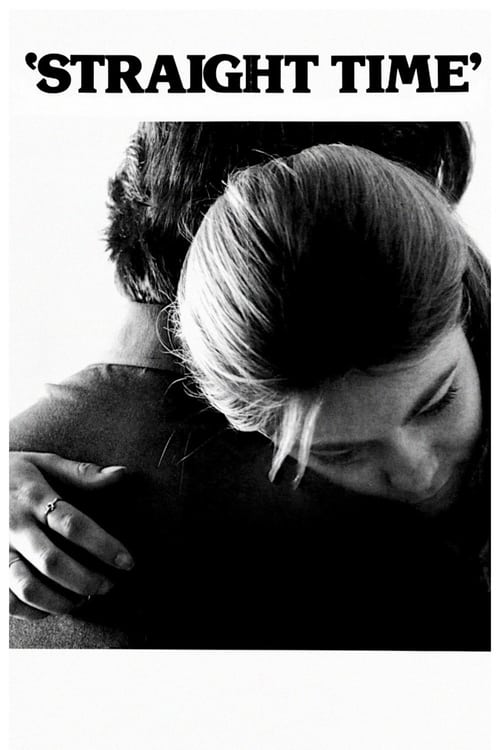
Straight Time
1978
No user ratings available yet
Representation score: 4.3 out of 10

Representation Score
Limited
1992
RDirector
Edward James Olmos
Runtime
125 minutes
Average Rating
No ratings yetNew Showbiz Analysis
Edward James Olmos presents a detailed look at Chicano subcultures. The film shines by going beyond simple clichés to explore how ethnicity intersects with the American prison experience. It portrays the protagonists' actions as complex reactions to a system that overlooks their humanity. However, the film is deeply rooted in traditional male hierarchies. The emphasis on hyper-masculine brotherhood and the lack of female involvement or diverse gender expressions narrow its scope. The social structure remains strictly divided along gender lines. Overall, the work is a sophisticated examination of identity politics. It uses the prison setting as a small-scale model to critique state authority and the erosion of traditional social structures under systemic strain.
Category Breakdown
The film does not include any LGBTQ+ characters or stories that question the idea that everyone is straight or cisgender.
The story focuses on male-dominated hierarchies and physical strength. It looks at the mental impact of these roles but doesn't try to change them.
The film stands out by highlighting Chicano/Latino identity and Mexican-American gang culture. It examines how ethnicity ties into community and systemic issues.
The story criticizes the American criminal justice system by showing it as a cycle where people keep returning to jail. It points out how loyalty to gangs can sometimes outweigh traditional family ties.
There are no significant portrayals of visible or invisible disabilities that shape the story or serve as main character arcs.
Present on Screen
Limited or Absent
Official Synopsis
During his 18 years in Folsom Prison, street-gang leader Santana rules over all the drug-and-murder activities behind bars. Upon his release, Santana goes back to his old neighborhood, intending to lead a peaceful, crime-free life. But his old gang buddies force him back into his old habits.
1978
1992

1993
1983
1993

1980
1984
1972
No reviews yet. Be the first to share your thoughts on this movie!
Use the rating form above to leave a star rating and optional review.