
And the Spring Comes
2007
No user ratings available yet
Diversity score: 6.2 out of 10
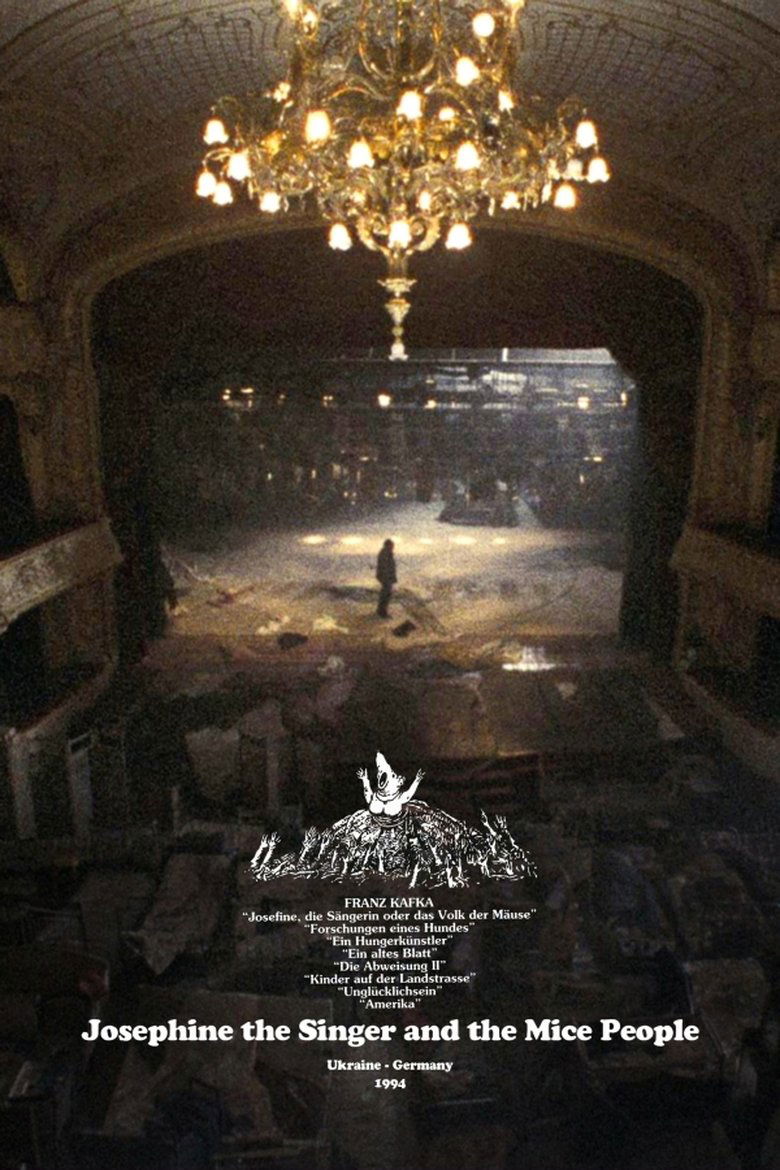
1994
Director
Serhii Masloboishchykov
Runtime
109 minutes
Average Rating
No ratings yetSynopsis
The mice people live in an enormous theatre, expectantly awaiting the ambiguous show by Josefina.
Overall Score
Fair
Category Breakdown
LGBTQ+ Representation
The film's surrealist setting leaves specific depictions of gender identity or orientation unconfirmed. However, the theatrical atmosphere provides a space where costume and archetypes might subvert heteronormative roles.
Gender Representation
The narrative centers on Josefina, suggesting a focus on female agency and presence. The dynamic between the performer and her audience offers a framework to examine female intellect within a collective space.
Racial & Ethnic Diversity
By centering a community of mice people, the film disrupts human-centric norms. This use of non-human species acts as a metaphor for social groups and reimagined community identities.
Religious & Cultural Diversity
The story prioritizes subjective experience and moral ambiguity over traditional morality. The focus on an 'othered' community suggests a critique of systemic expectations and observer-observed power dynamics.
Disability Representation
There is no clear evidence regarding the representation of physical or neurodivergent disabilities. The surrealist aesthetic may imply non-standard sensory experiences, but these are not confirmed as intentional representations.
Strengths
Areas for Improvement
AI Analysis
The film utilizes a highly stylized, non-human setting to explore complex social structures through allegory. By replacing traditional human characters with 'mice people,' the narrative moves away from conventional, human-centric drama to examine collective identity. While the film succeeds in using metaphor to challenge social hierarchies, it lacks specific, concrete details regarding intersectional identities. The surrealist lens provides a unique perspective on community but obscures direct representation of specific marginalized groups. Ultimately, the work functions as a symbolic departure from traditional storytelling, favoring ambiguity and the deconstruction of archetypes over literal depictions of diversity.
2007

2005

1945

1992
1974

2024

2014
2004
1981
2007
1985
2007
No reviews yet. Be the first to share your thoughts on this movie!
Use the rating form above to leave a star rating and optional review.