
Josep
2020
No user ratings available yet
Representation score: 7.6 out of 10
Representation Score
Good
2021
Director
Nicolas Mayeur, Hadrien Pinot, Lisa Vicente, Alice Letailleur, Yanis Belaid, Philippine Singer, Eliott Benard, Étienne Moulin
Runtime
9 minutes
Average Rating
No ratings yetNew Showbiz Analysis
The Seine's Tears serves as a significant piece of historical revisionism. It successfully shifts the cinematic lens away from dominant Western perspectives to focus on the lived experiences of the Algerian diaspora. The film's primary strength lies in its ability to center the ability to act of underrepresented groups and highlight systemic struggles. By focusing on the 1961 protests, it disrupts conventional expectations of historical animation through identity-driven political storytelling. However, the film lacks visibility regarding LGBTQ+ identities and disability representation. The narrative focus remains heavily concentrated on the socio-political movement of the workers, leaving other demographic dimensions unaddressed.
Category Breakdown
The film does not explicitly mention any LGBTQ+ characters or stories. The 1961 setting provides a historical context, but the focus is solely on the socio-political struggles of Algerian workers.
The narrative focuses on a collective movement of workers without delving into specific gender hierarchies. There is not enough evidence to confirm the presence of women's ability to drive the story or the subversion of traditional roles.
The film highlights the experiences of Algerian workers in France, disrupting Eurocentric historical narratives. By emphasizing the ability to act of a underrepresented group facing systemic oppression, it prioritizes their perspective.
The work explores the Algerian experience within the French state, challenging Western institutional narratives. It examines colonial-era power dynamics through the lens of peaceful protest against state authority.
There is no information about the depiction of characters with visible or invisible disabilities in the provided narrative details.
Present on Screen
Limited or Absent
Official Synopsis
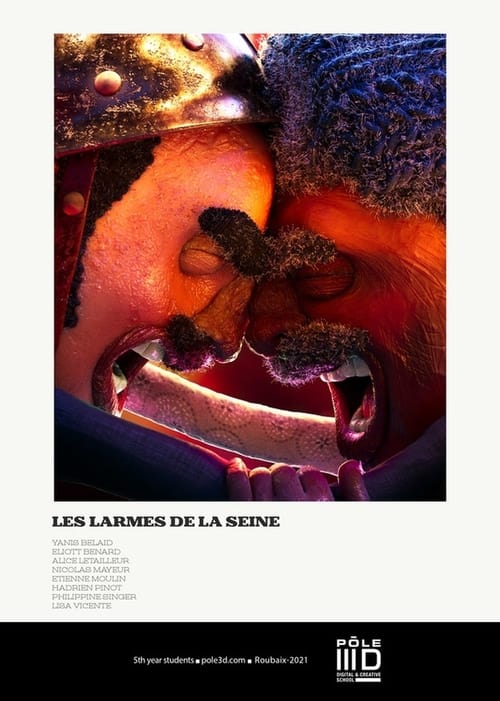
On October 17, 1961, the “Algerian workers” in France decided to demonstrate peacefully in the streets of Paris against the curfew imposed on them by the police headquarters.
2020

2019
2018

2010

2019

2025

2022

2019
No reviews yet. Be the first to share your thoughts on this movie!
Use the rating form above to leave a star rating and optional review.