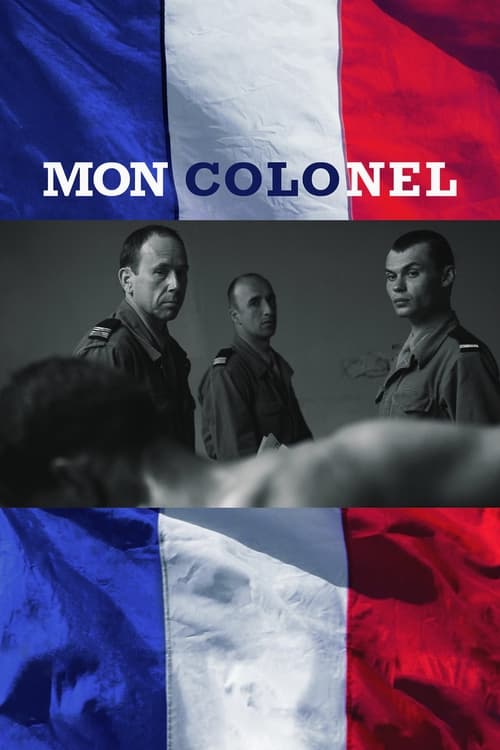
The Colonel
2006
No user ratings available yet
Representation score: 3.7 out of 10

Representation Score
Fair
2005
Director
Alain Tasma
Runtime
120 minutes
Average Rating
No ratings yetNew Showbiz Analysis
Alain Tasma’s film succeeds as a sophisticated historical drama by deconstructing monolithic narratives of colonial violence. By presenting the conflict through the eyes of both French law enforcement and Algerian protestors, the film challenges the perceived legitimacy of state authority and avoids a sanitized version of history. However, the film's impact is limited by a narrow focus on masculine-coded spheres. The absence of LGBTQ+ representation and explicit women's ability to drive the story prevents a more holistic exploration of the human cost of the conflict. Ultimately, the work excels in its racial and cultural depth, providing a necessary critique of Western hegemony and the systemic oppression inherent in the colonial era.
Category Breakdown
The film focuses solely on the geopolitical and ethnic tensions of the Algerian War. There are no visible LGBTQ+ characters or narratives addressing non-straight relationships.
The narrative centers on the institutional mechanics of the French police and FLN resistance. It lacks explicit women's ability to drive the story, focusing instead on masculine-coded spheres of combat and policing.
The film provides high multi-layered complexity by centering the Algerian experience. It disrupts a Western-centric gaze by giving a significant role in driving the story to the 11,000 Algerian protestors.
The story engages deeply with anti-colonialist themes and critiques imperialist power dynamics. It avoids a singular moral framework by utilizing a dual-perspective approach to colonial governance.
There is no discernible focus on visible or invisible disabilities within the narrative.
Present on Screen
Limited or Absent
Official Synopsis
Parisian authorities clash with the Front de Libération Nationale (FLN) in director Alain Tasma’s recounting of one of the darkest moments of the Algerian War of Independence. As the war wound to a close and violence persisted in the streets of Paris, the FLN and its supporters adopted the tactic of murdering French policemen in hopes of forcing a withdrawal. When French law enforcement retaliated by brutalizing Algerians and imposing a strict curfew, the FLN organizes a peaceful demonstration that drew over 11,000 supporters, resulting in an order from the Paris police chief to take brutal countermeasures. Told through the eyes of both French policemen as well as Algerian protestors, Tasma’s film attempts to get to the root of the tragedy by presenting both sides of the story.
2006

2011
2011
1966
2008
2002
2017
1992
No reviews yet. Be the first to share your thoughts on this movie!
Use the rating form above to leave a star rating and optional review.