Breslin and Hamill: Deadline Artists
2018
No user ratings available yet
Representation score: 1.5 out of 10
Representation Score
Good
2017
TV-14Director
Kirk Simon
Runtime
90 minutes
Average Rating
No ratings yetNew Showbiz Analysis
The documentary presents a sophisticated tapestry of diverse intellectual achievements. By moving beyond a monolithic view of the Pulitzer Prize, it explores a complex, multi-vocal history of American thought. The film's strength lies in its intentional inclusion of diverse intellectual leaders. These voices drive a narrative exploration of identity, justice, and the human condition. While the film excels in racial and cultural representation, it lacks specific information regarding disability representation.
Category Breakdown
The film includes Tony Kushner, whose work validates non-straight intellectual contributions. His presence highlights LGBTQ+ identity as a key part of the American literary canon.
Women like Helen Mirren, Natalie Portman, and Toni Morrison play crucial roles in the film, disrupting traditional male-centric storytelling hierarchies.
The documentary centers the ability to act of writers of color, such as Junot Díaz and Ayad Akhtar, showcasing a multi-ethnic landscape of American excellence.
The structure supports a pluralistic view of truth by showcasing a wide range of winners. It examines institutions critically rather than through blind patriotism.
There is no explicit evidence regarding the portrayal of contributors with visible or invisible disabilities.
Present on Screen
Limited or Absent
Official Synopsis
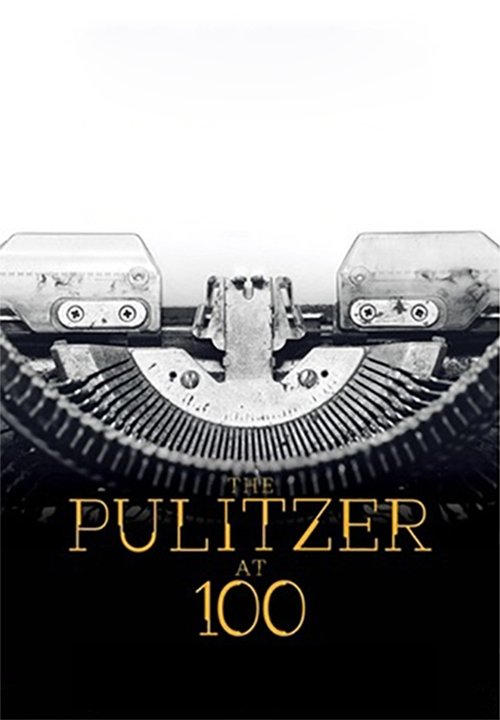
The Pulitzer at 100, by Oscar and Emmy winning director Kirk Simon, is a ninety-minute independent documentary released in conjunction with the Pulitzer Centennial in April 2016. This film is told through the riveting stories of the artists that have won the prestigious prize. With Pulitzer work read by Helen Mirren, Natalie Portman, Liev Schreiber, John Lithgow and Yara Shahidi; journalists include Carl Bernstein, Nick Kristof, Thomas Friedman, and David Remnick; authors include Toni Morrison, Michael Chabon, Junot Díaz, Tony Kushner, and Ayad Akhtar; and musicians Wynton Marsalis, David Crosby, and John Adams also share their stories.
2018
2018
2025
2022
2014
2022
2022
1999
No reviews yet. Be the first to share your thoughts on this movie!
Use the rating form above to leave a star rating and optional review.