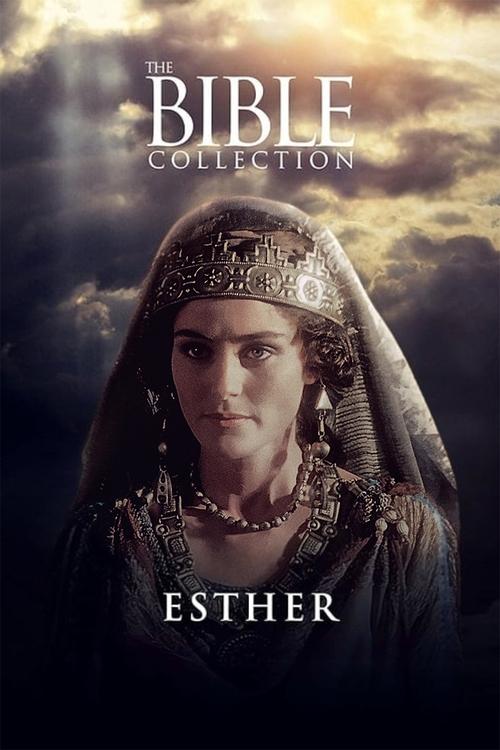
Esther
1999
No user ratings available yet
Representation score: 2.9 out of 10
Representation Score
Fair
1986
Director
Amos Gitai
Runtime
97 minutes
Average Rating
No ratings yetNew Showbiz Analysis
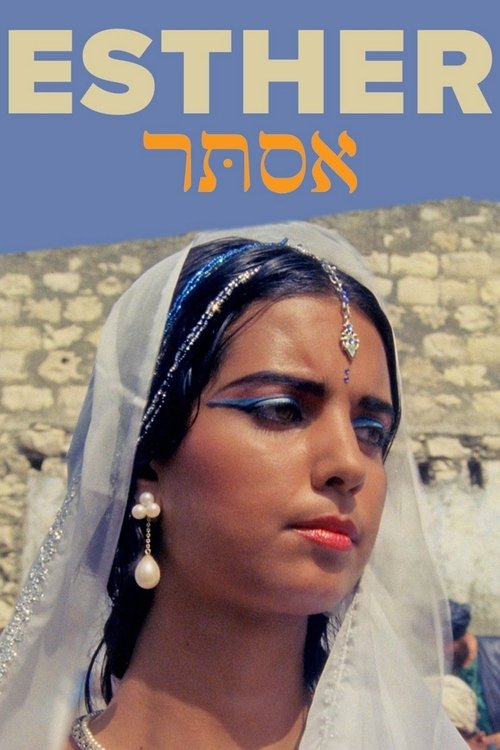
Amos Gitai’s *Esther* is a modern retelling of a biblical epic, emphasizing thematic depth over historical accuracy. It succeeds by giving a significant role in driving the story to its female protagonist and using culturally authentic casting that aligns with the setting's origins. The film explores the tension between underrepresented identities and imperial power. By focusing on Esther's strategic maneuvers and the survival of the Jewish people, it offers a nuanced look at ethnic identity. However, the film lacks representation for LGBTQ+ identities and does not include characters with disabilities. While it excels in gender and ethnic authenticity, these omissions limit its overall diversity profile.
Category Breakdown
The film centers on the political survival of the Jewish community. There are no LGBTQ+ characters or stories addressing non-straight identities.
Esther emerges as a strong female protagonist who navigates a male-dominated system. She uses intelligence and strategic thinking to gain influence within an imperial structure.
A cast featuring Middle Eastern and Israeli actors adds cultural authenticity to the Persian and Jewish communities. This avoids Western-centric casting clichés for the ancient setting.
The narrative delves into systemic oppression and the survival of a religious minority. It examines justice through the lens of state-sanctioned laws and decrees.
There are no visible or invisible disabilities depicted in the film's narrative.
Present on Screen
Limited or Absent
Official Synopsis
Ahasverus, king of Persia and Media, puts aside Vashti and makes Esther his queen, choosing her among maidens in a kingdom stretching from India to Ethiopia. Esther, using information from Mordecai, her uncle and patron, saves the king from assassination. Haman, the king's favorite, is miffed when Mordecai won't bow to him, so he orders death to all Jews in the kingdom, under the seal of the king. Esther pleads for her people, and Mordecai is in turn given license to make his own edict under the king's seal. Mordecai loses sight of his original intention, and bloody murder ensues. Purim annually celebrates the story. At the end of the film, the actors comment.
1999
1954
1960

2005

2006
1943
2013
1986
No reviews yet. Be the first to share your thoughts on this movie!
Use the rating form above to leave a star rating and optional review.