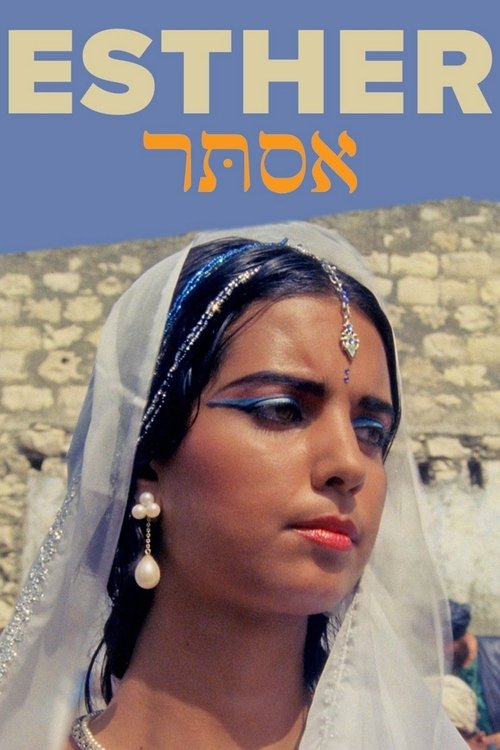
Esther
1986
No user ratings available yet
Representation score: 4.2 out of 10
Representation Score
Minimal
1960
NRDirector
Raoul Walsh
Runtime
109 minutes
Average Rating
No ratings yetNew Showbiz Analysis
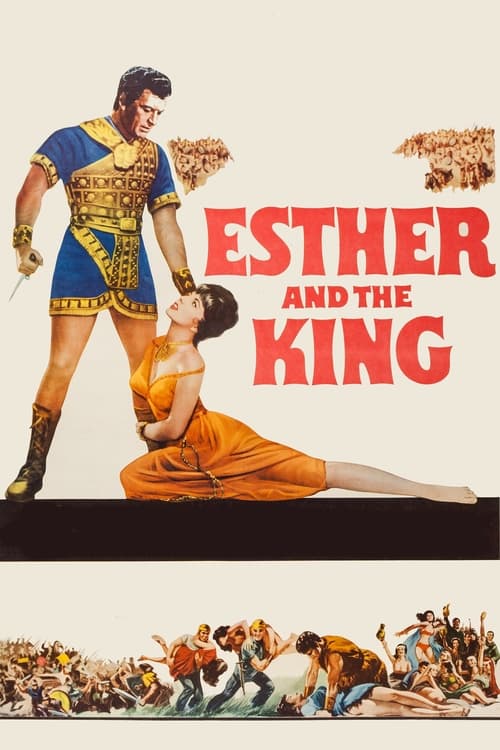
Esther and the King presents a fascinating tension between its progressive female lead and its conservative production values. Esther navigates and challenges state-sanctioned violence through strategic intellect, providing a powerful look at a underrepresented religious group's survival. However, the era's casting conventions create a visual disconnect, as white actors portray Middle Eastern and Jewish figures, lacking authentic ethnic diversity. The film adheres to a traditional religious framework, offering a strong narrative centered on a underrepresented group's survival.
Category Breakdown
The film follows a strictly straight-centered structure, with no depictions of same-sex relationships or non-cisgender identities.
Esther avoids the cliché of the passive queen and instead uses her intellect and strategic thinking to play a significant role in driving the story.
The production relies on mid-century casting practices, featuring mostly white actors in roles meant to represent Middle Eastern and Jewish characters, lacking authentic ethnic diversity.
The story is framed through divine law and religious righteousness, reinforcing traditional institutions without challenging systemic power through a secular perspective.
There are no prominent depictions of physical or neurodivergent disabilities within the main character arcs.
Present on Screen
Limited or Absent
Official Synopsis
Recently widowed Persian King Ahasuerus wants to marry the beautiful Esther. But Esther is a Jewess, and Haman, the king's evil minister, is spreading hatred against the Jews.
1986

1959
1952
1959
2013
1954
1999
1949
No reviews yet. Be the first to share your thoughts on this movie!
Use the rating form above to leave a star rating and optional review.