
Groomed
2021
No user ratings available yet
Diversity score: 5.7 out of 10
1992
Director
Helke Sander
Runtime
90 minutes
Average Rating
No ratings yetSynopsis
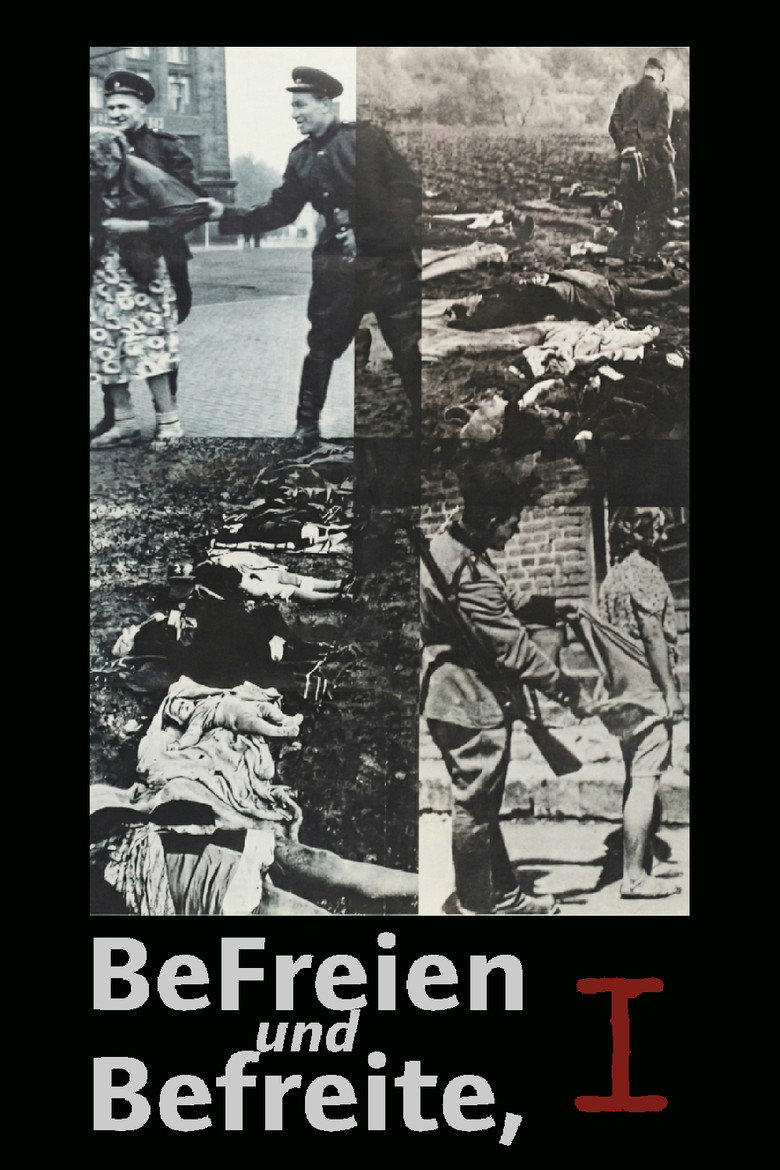
Based on years of research into the mass rapes committed by the Red Army at the end of the Second World War. In the first part of the documentary Helke Sander interviews multiple German women who were raped in Berlin by Soviet soldiers in May 1945. Most women never spoke of their experience to anyone, after 46 years of silence they talk for the first time publicly about their violent experiences that have left such a mark.
Overall Score
Good
Category Breakdown
LGBTQ+ Representation
The film contains no explicit evidence of LGBTQ+ identities or narratives within its historical framework.
Gender Representation
The documentary subverts patriarchal historical narratives by centering women as the primary protagonists. It transforms survivors from passive victims into active narrators, challenging masculine-centric views of warfare and occupation.
Racial & Ethnic Diversity
The narrative is constrained by its specific post-war European setting. It avoids a homogeneous national experience by highlighting fractured, individualistic trauma, though it lacks focus on racial intersectionality.
Religious & Cultural Diversity
The film critiques traditional social mores and the failure of institutions like family and state. It deconstructs the 'liberation' myth by framing occupying forces as sources of systemic trauma.
Disability Representation
The film addresses invisible psychological disabilities, such as PTSD, resulting from trauma. These mental health struggles are treated as central, heavy components of the survivors' identities.
Strengths
Areas for Improvement
AI Analysis
Helke Sander’s documentary is a powerful interrogation of historical trauma that disrupts triumphalist military histories. By centering the testimonies of German women raped by Soviet soldiers in 1945, the film shifts the focus from geopolitical victory to intimate, lived realities of gendered vulnerability. The work excels at challenging established cultural myths and exposing the systemic silence enforced by post-war German society. It grants agency to marginalized survivors, allowing them to reclaim their truths from a history that previously ignored them. While the film is deeply focused on gender and social critique, its scope is limited by its specific historical and national context. It provides a profound exploration of how power and shame intersect to silence female voices.
2021

2022
2015

2008
2016
1983

2014
1976
1975
2014
1971

2008
No reviews yet. Be the first to share your thoughts on this movie!
Use the rating form above to leave a star rating and optional review.