
Why We Fight: Divide and Conquer
1943
No user ratings available yet
Representation score: 2.7 out of 10
Representation Score
Minimal
1993
Director
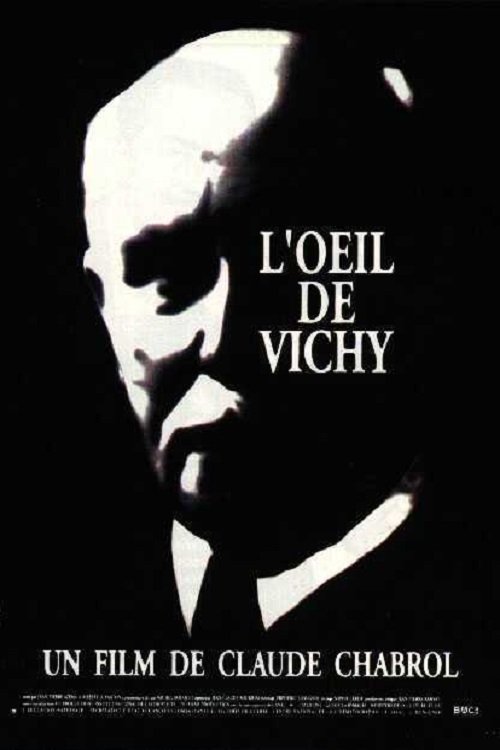
Claude Chabrol
Runtime
110 minutes
Average Rating
No ratings yetNew Showbiz Analysis
Claude Chabrol uses archival newsreels from the Nazi occupation of France to provide a critical examination of the bourgeoisie. The film serves as a study of complicity, using the very propaganda meant to turn citizens against Jews and Allies to reveal moral decay. While there is limited identity-based representation due to the historical nature of the source material, the film's strength lies in its sophisticated critique of systemic power. It challenges the sanctity of the Western social contract by highlighting the moral vacuum within the dominant class. Ultimately, the work is more about deconstructing the oppressor class through a postmodern lens than about diverse casting.
Category Breakdown
The film does not include any LGBTQ+ characters or stories. It focuses solely on the sociopolitical dynamics of the Vichy era without addressing queer identities.
Traditional mid-century gender roles are portrayed to show how domestic life can hide political complicity. The film highlights how these social norms maintain a facade of respectability.
The visual setting reflects the racial hierarchies of the Occupation era. It focuses on the white French upper class, providing a study of the white perspective without diverse representation.
Chabrol deconstructs nationalist myths by using archival propaganda. He exposes how traditional Western institutions and the middle class became involved in systemic evil.
There are no depictions of neurodivergence or physical disabilities. No characters with disabilities are used as narrative devices within the archival footage.
Present on Screen
Limited or Absent
Official Synopsis
Directed by French filmmaker Claude Chabrol, this documentary examines Nazi and Vichy newsreels and propaganda films from World War II meant to turn the French against the Jews and the Allied Forces and into Nazi sympathizers. This movie is only made of archive pictures: the official newsreels that were broadcasted on French movie screens during 1940 and 1944 (the Occupation).
1943
2008
1964
1945
1943
1940
1943
1943
No reviews yet. Be the first to share your thoughts on this movie!
Use the rating form above to leave a star rating and optional review.