Mother's Boys
1993
No user ratings available yet
Diversity score: 2.7 out of 10
1967
NRDirector
Jack Clayton
Runtime
105 minutes
Average Rating
No ratings yetSynopsis
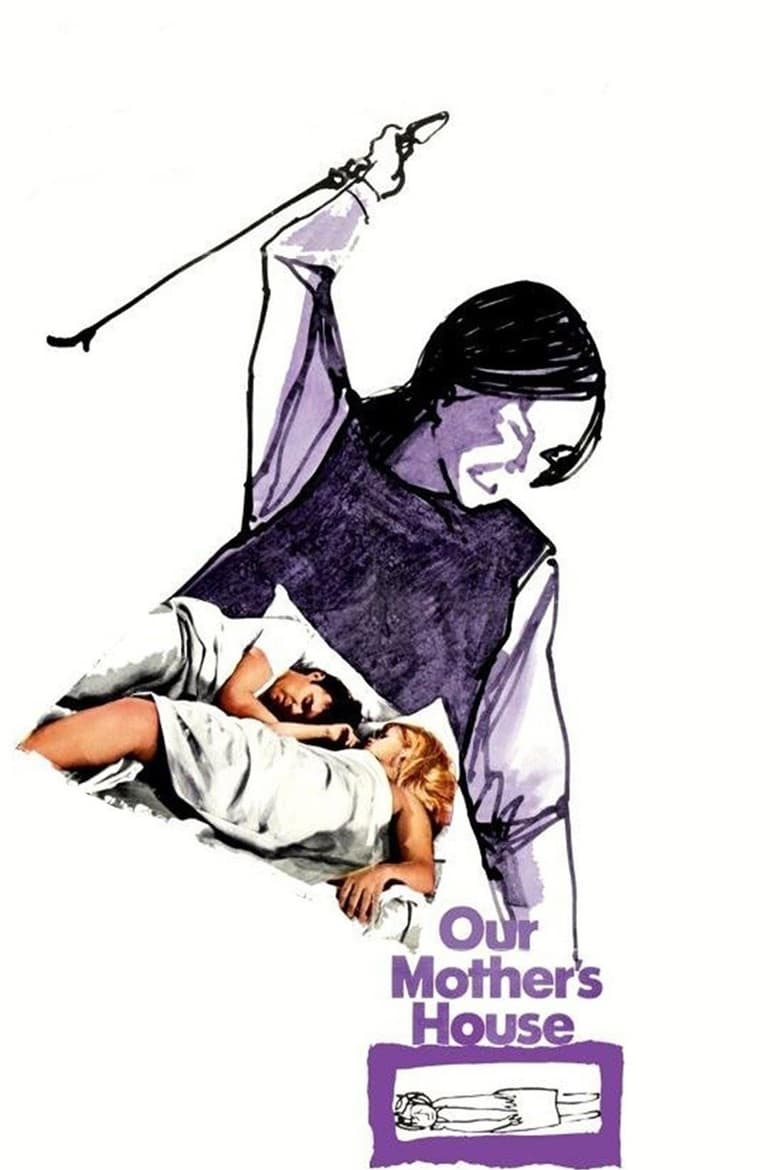
Seven children bury their mother and hide her death - until their long-lost father returns.
Overall Score
Limited
Category Breakdown
LGBTQ+ Representation
The film contains no discernible LGBTQ+ characters or non-cisnormative identities. The story focuses exclusively on sibling bonds and the psychological fallout of losing a mother.
Gender Representation
By removing adult anchors, the film allows female protagonists Sue and Diana to assume total agency. This shifts power away from traditional hierarchies toward a female-centric survivalism.
Racial & Ethnic Diversity
Reflecting 1960s London, the cast is primarily white and middle-class. There is no significant evidence of racial blending or non-Anglo-Saxon representation within the production.
Religious & Cultural Diversity
The narrative critiques Western institutions by showing children successfully deceiving authority figures. It prioritizes the children's internal truth over the mandates of the outside community.
Disability Representation
The film explores invisible psychological instability and trauma-induced dissociation. While it centers on these subjective experiences, it lacks the agency found in modern neurodivergent depictions.
Strengths
Areas for Improvement
AI Analysis
Our Mother's House is a period-specific psychological study that prioritizes atmospheric tension over demographic breadth. It functions as a portrait of a specific, localized social stratum in 1960s London, which limits its racial and cultural variety. However, the film finds progressive value in its subversion of domestic hierarchies. By removing patriarchal and maternal anchors, it allows children to operate as autonomous agents outside of traditional social and legal frameworks. While the film lacks representation for many modern identity categories, it offers a sophisticated look at the breakdown of the nuclear family and the rejection of systemic oversight.
1993
1967
2009

1971

1999

1956

1962

2014
1970
1975
1990

1992
No reviews yet. Be the first to share your thoughts on this movie!
Use the rating form above to leave a star rating and optional review.