Deadlier Than the Male
1956
No user ratings available yet
Representation score: 2.1 out of 10
Representation Score
Limited
1951
NRDirector
Henry Hathaway
Runtime
92 minutes
Average Rating
No ratings yetNew Showbiz Analysis
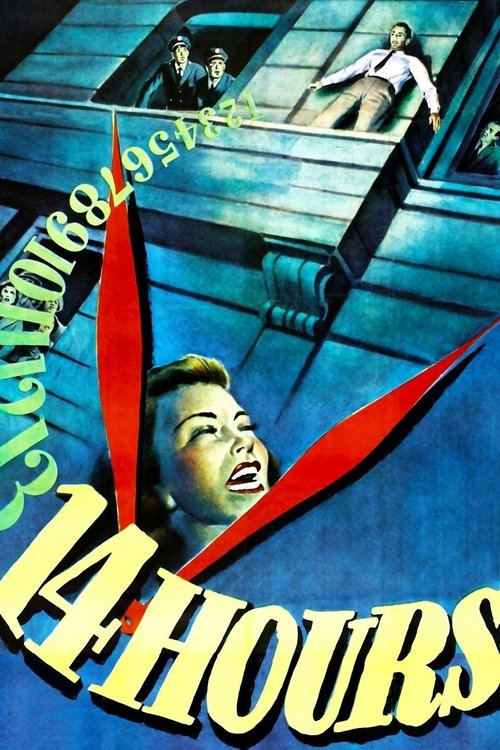
Fourteen Hours is a mid-century psychological drama that emphasizes individual morality and social tension over diverse representation. The narrative structure aligns with the traditional hierarchies of the 1950s, focusing on the internal struggles of a single male protagonist. While the film captures a range of socioeconomic classes, it fails to challenge conventional social, racial, or gendered norms. It remains a typical example of studio-era storytelling, reinforcing prevailing social norms.
Category Breakdown
The film adheres to the social norms of 1951, showing no evidence of LGBTQ+ identities or same-sex relationships. It focuses on traditional interpersonal conflicts.
Female characters in the film navigate the social pressures and expectations of the early 1950s. They primarily exist within the context of social decorum and lack the power to challenge patriarchal structures.
The cast is relatively homogeneous, reflecting the demographics typical of the studio era. There are no significant roles given to characters from diverse racial backgrounds.
The film explores themes of personal morality and individual responsibility. It focuses on the isolation of its main character rather than critiquing broader societal institutions like religion or government.
The film centers on a protagonist dealing with severe psychological issues and suicidal thoughts. These serve as a dramatic catalyst but do not provide a nuanced exploration of mental health.
Present on Screen
Limited or Absent
Official Synopsis
A young man, morally destroyed by his parents not loving him and by the fear of being not capable to make his girlfriend happy, rises on the ledge of a building with the intention of committing suicide. A policeman makes every effort to argue him out of it.
1956
1962
1951

1958
2017
1952
1949
1950
No reviews yet. Be the first to share your thoughts on this movie!
Use the rating form above to leave a star rating and optional review.