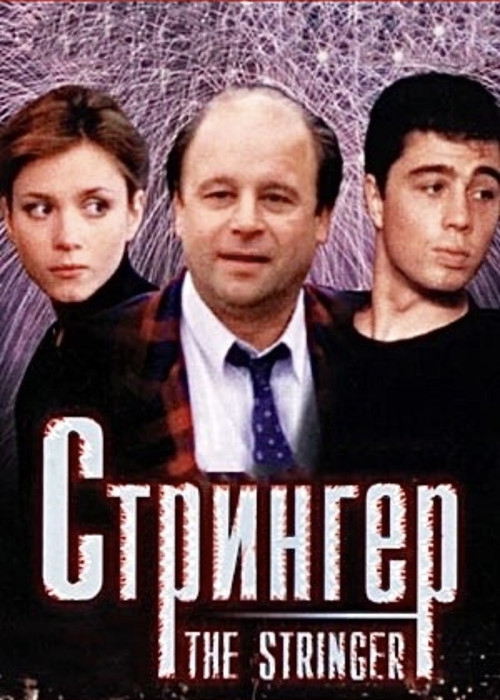
The Stringer
1998
No user ratings available yet
Representation score: 5.5 out of 10

Representation Score
Fair
2000
TV-14Director
Paweł Pawlikowski
Runtime
73 minutes
Average Rating
No ratings yetNew Showbiz Analysis
Paweł Pawlikowski’s drama offers a nuanced look at displacement by focusing on the refugee experience as a driver of character actions. The film effectively challenges the idea of a stable Western domestic ideal by emphasizing the subjective reality of the displaced individual. While the film excels in portraying female resilience and the systemic hurdles of immigration, it remains somewhat limited by its focus on European identities. The LGBTQ+ themes, although significant for the time, are often overshadowed by the broader struggle for survival. Ultimately, the work functions as a critique of institutional authority, portraying the state as an obstacle to human connection rather than a protector.
Category Breakdown
The story revolves around Tanya's journey to reunite with her fiancé in England. While this offers a meaningful break from the assumption that everyone is straight or cisgender, the romantic goal is less important compared to the survivalist plot.
Tanya is portrayed as an active and resilient protagonist. The film highlights her ability to drive the story as she navigates complex legal and social systems to ensure her future.
The narrative delves into the tension between a Russian protagonist and the British institutional system. It uses the immigrant experience to criticize the rigidity of national borders and Western social structures.
The film critiques Western institutions by showing the refugee center as a grim and isolating place. It prioritizes personal survival and human connection over strict adherence to state protocols.
There are no characters with visible or invisible disabilities that serve as central plot devices or are subjected to mockery.
Present on Screen
Limited or Absent
Official Synopsis
Tanya leaves Moscow with her street-wise 10-year-old son Artiom to meet her English fiancée in London. But after he fails to turn up at the airport, Tanya, intent on staying in England, is forced to apply for political asylum and transferred to Stonehaven, a grimy former seaside resort where refugees are housed. Tanya gradually develops a relationship with an amusement arcade manager, who helps them escape. She must then decide whether to stay with him or return to Russia.
1998

2009

1992

2001

1990

2004

1999

1999
No reviews yet. Be the first to share your thoughts on this movie!
Use the rating form above to leave a star rating and optional review.