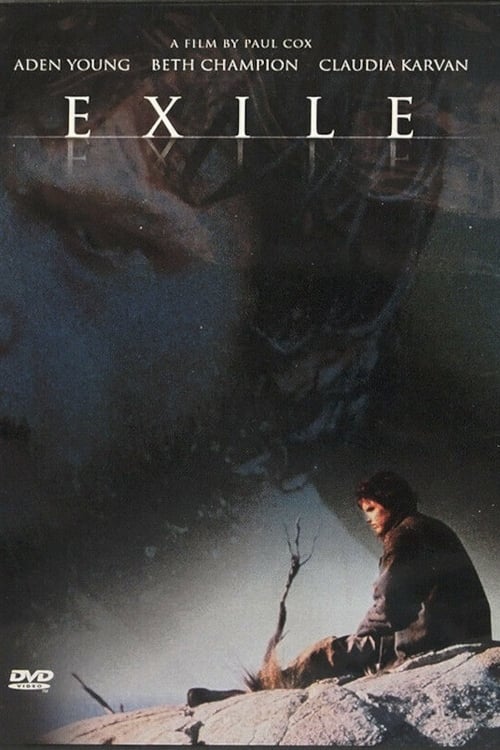
Exile
1994
No user ratings available yet
Representation score: 4.2 out of 10

Representation Score
Fair
1991
Director
Ricardo Larraín
Runtime
120 minutes
Average Rating
No ratings yetNew Showbiz Analysis
The Frontier is a regional drama that stands out by focusing on Chilean socio-political realities rather than following Western narrative conventions. Its strength lies in its critique of state institutions and the use of landscape as a metaphor for displacement. However, the film remains confined to traditional character types. The romantic and gender dynamics follow conventional patterns, and the narrative does not engage with diverse identity politics or LGBTQ+ themes. Overall, the film offers a nuanced exploration of human vulnerability against political and natural forces, even though it adheres to traditional social frameworks.
Category Breakdown
The film focuses on a traditional heterosexual relationship between Ramiro and Maite. There are no queer narratives or non-conforming gender identities presented.
Gender roles are explored through themes of protection and vulnerability. Maite’s role revolves around family responsibilities, while Ramiro embodies a contemplative, intellectual stance.
Set in the Chilean countryside, the film offers a non-Western viewpoint. By highlighting local contexts, it challenges Hollywood dominance and centers South American social realities.
The narrative critiques state stability by focusing on internal exile and political upheaval. It uses the natural environment to mirror the fragility of human structures.
The film does not depict physical or neurodivergent disabilities.
Present on Screen
Limited or Absent
Official Synopsis
A Chilean teacher, Ramiro, is sentenced to internal exile in a southern town where tidal waves often appear. He falls for a woman, Maite, whose father asks him to take her away. Although he gets his freedom he doesn't leave and when the water rises, Maite and her father die, and Ramiro flees to the hills.
1994

1965

2020

2007
1995

1931

2009

1993
No reviews yet. Be the first to share your thoughts on this movie!
Use the rating form above to leave a star rating and optional review.