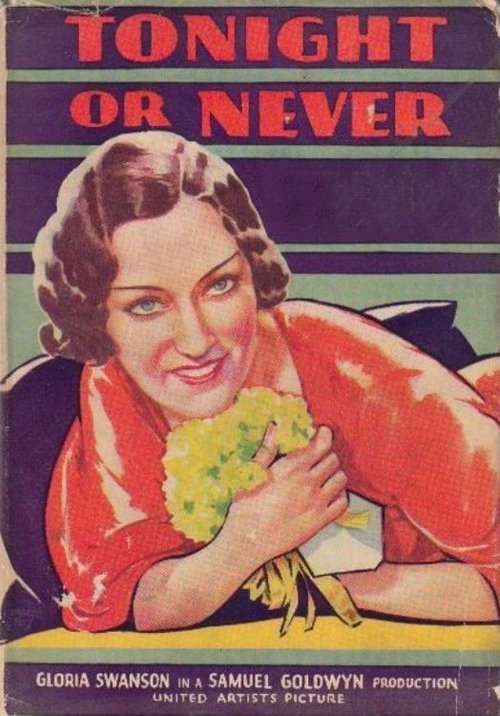
Tonight or Never
1931
No user ratings available yet
Representation score: 2.1 out of 10
Representation Score
Minimal
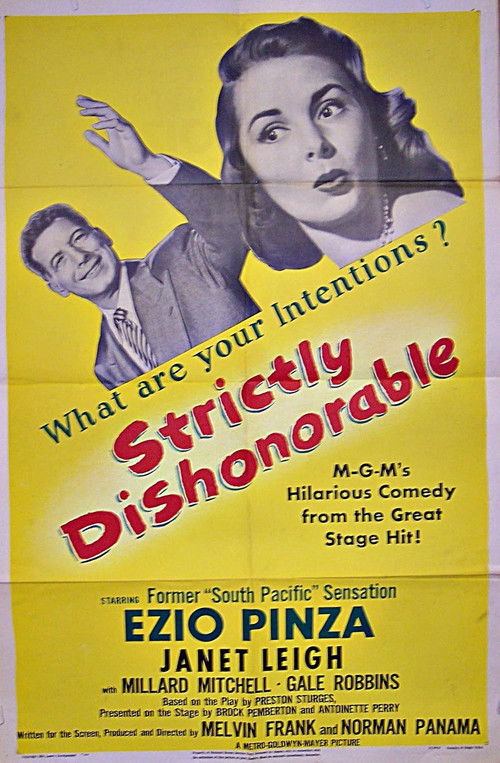
1951
ApprovedDirector
Melvin Frank, Norman Panama
Runtime
86 minutes
Average Rating
No ratings yetNew Showbiz Analysis
Strictly Dishonorable is a typical romantic comedy from the 1950s, relying on established social hierarchies and traditional character types. The film focuses on conventional courtship and mid-century social norms, offering a narrow perspective on the world. Ultimately, it serves as a snapshot of mid-century Western values, emphasizing witty dialogue and romantic clichés over diverse storytelling.
Category Breakdown
The film does not include any LGBTQ+ characters or stories. It follows the traditional heterosexual relationship structures common in 1951 films.
The story centers around a male lead who pursues many women, and a female character who influences the plot. It upholds traditional gender roles without challenging them.
The film features a predominantly white cast, reflecting the homogeneous casting practices of the time. There is no indication of a racially diverse cast.
The narrative adheres to the social norms of mid-century Western society. It reinforces conventional moral and social expectations without challenging institutional structures.
The film does not feature any characters with physical or neurodivergent disabilities. There is no representation of disability in the story.
Present on Screen
Limited or Absent
Official Synopsis
A womanizing opera star is smitten by a young music student.
1931
1934
1955
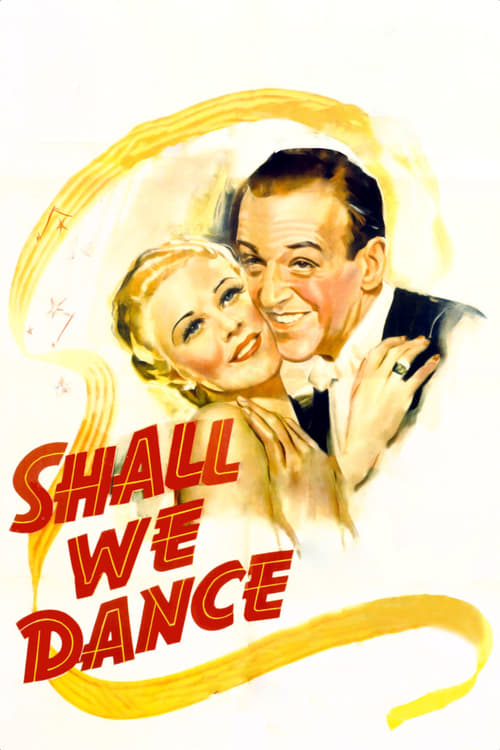
1937
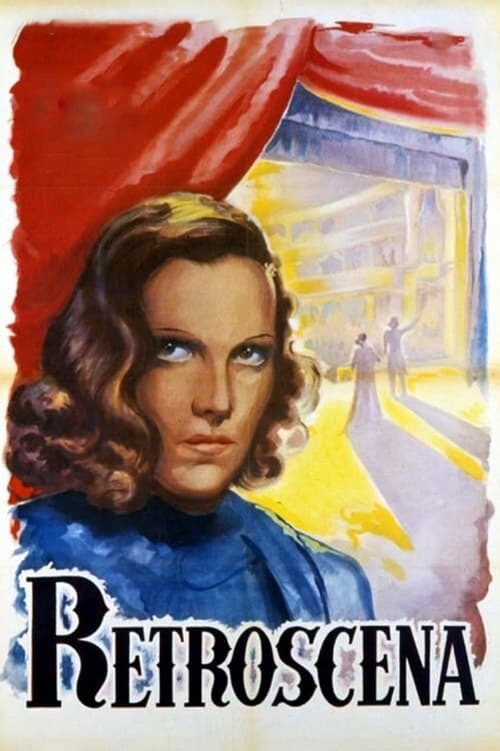
1939
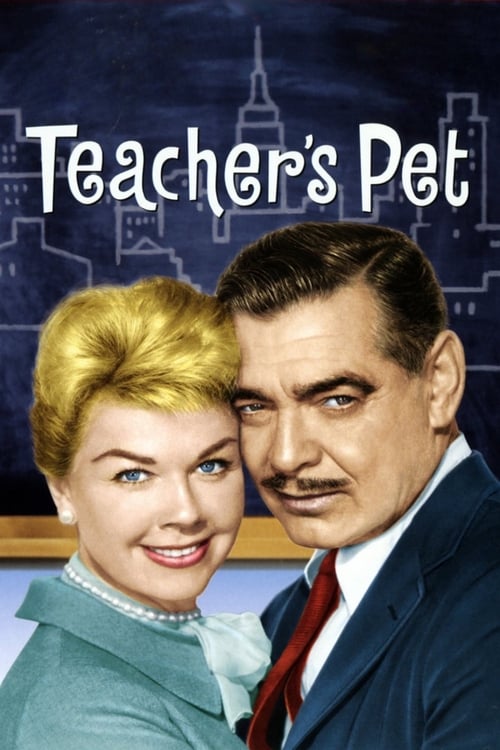
1958
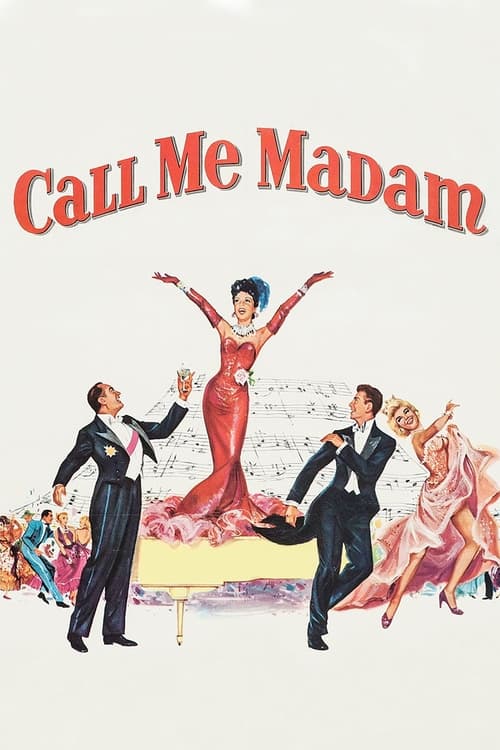
1953
1966
No reviews yet. Be the first to share your thoughts on this movie!
Use the rating form above to leave a star rating and optional review.