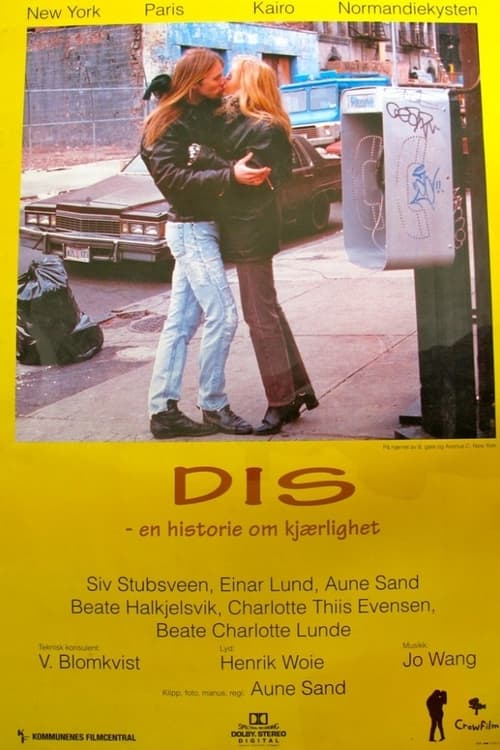
Dis: A Story About Love
1995
No user ratings available yet
Diversity score: 5.4 out of 10

1962
Director
François Truffaut, Andrzej Wajda, Shintarō Ishihara, Marcel Ophüls, Renzo Rossellini
Runtime
120 minutes
Average Rating
No ratings yetSynopsis
Love at Twenty unites five directors from five different countries to present their different perspectives on what love really is at the age of 20. The episodes are united with the score of Georges Delerue and still photos of Henri Cartier-Bresson.
Overall Score
Fair
Category Breakdown
LGBTQ+ Representation
The film lacks explicit evidence of non-heteronormative identities or queer narratives. It appears to focus on traditional romantic explorations typical of early 1960s cinema.
Gender Representation
The film suggests potential for varied gender dynamics through its diverse perspectives. It likely explores romantic agency rather than a systemic deconstruction of gender hierarchies.
Racial & Ethnic Diversity
High diversity is achieved through the film's architecture. Including directors from Japan, Poland, and Italy disrupts a single Western perspective and challenges Eurocentricity.
Religious & Cultural Diversity
The anthology format promotes cultural relativism by presenting love as a subjective experience. Diverse national voices help decentralize Western romantic ideals.
Disability Representation
There is no documented evidence regarding the portrayal of physical or neurodivergent disabilities in this work.
Strengths
Areas for Improvement
AI Analysis
Love at Twenty is a significant historical artifact of cinematic pluralism. Its primary strength lies in its narrative architecture, which assembles a global cohort of directors to challenge singular cultural authority. The film's internationalism provides a multi-polar view of the human condition. By integrating segments from France, Japan, Poland, and Italy, it disrupts the hegemony of a single Western storytelling perspective. However, the work remains constrained by the social standards of the early 1960s. It lacks overt socio-political deconstruction regarding gender and identity, focusing instead on traditional romantic explorations.
1995

2023

1970
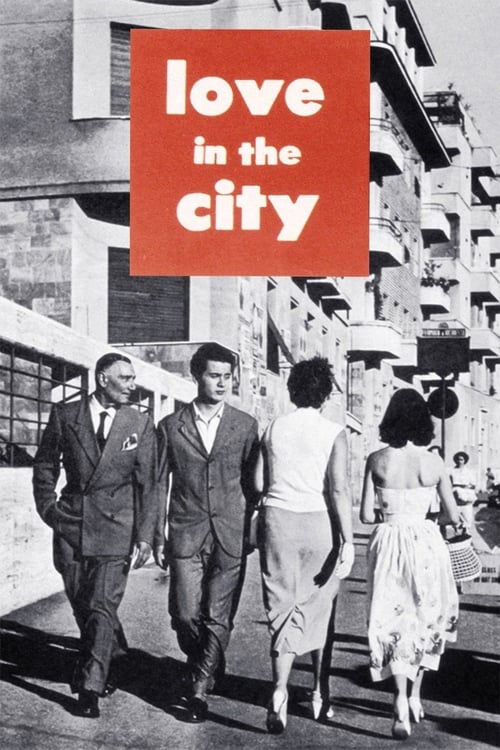
1953
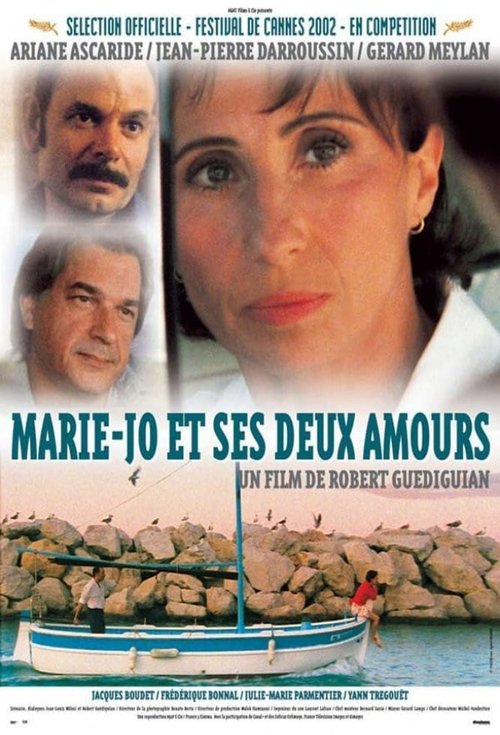
2002
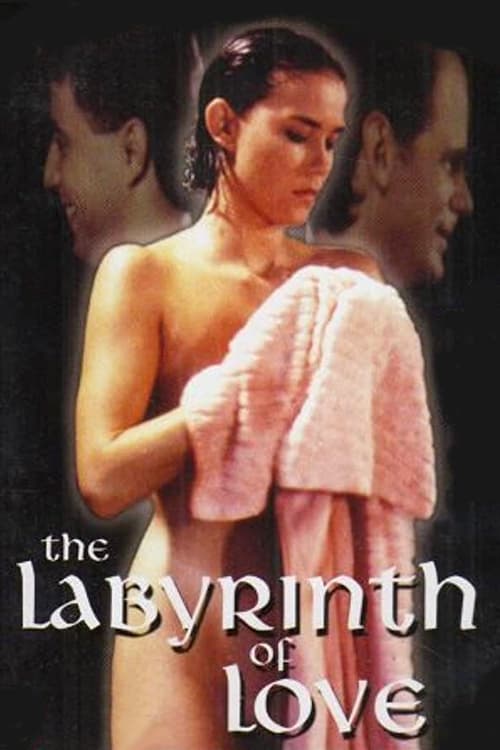
1994
1985

1961
2012
2016

1965
1996
No reviews yet. Be the first to share your thoughts on this movie!
Use the rating form above to leave a star rating and optional review.