
The Fish Fall in Love
2007
No user ratings available yet
Diversity score: 5.7 out of 10

2012
Director
György Pálfi
Runtime
84 minutes
Average Rating
No ratings yetSynopsis
A film where anything can happen - the hero and the heroine changes their faces, age, look, names, and so on. The only same thing: The love between man and woman... in an archetypical love story cut from 500 classics from all around the world.
Overall Score
Fair
Category Breakdown
LGBTQ+ Representation
The film centers on a man and a woman in an archetypal romance. While it lacks explicit queer identities, the narrative's focus on shifting physical forms suggests a conceptual openness to non-traditional gender expressions.
Gender Representation
The story disrupts conventional gender expectations by allowing characters to constantly change their faces, ages, and looks. This metamorphosis challenges rigid social markers and traditional biological definitions of gendered presentation.
Racial & Ethnic Diversity
Drawing from 500 classics worldwide, the film utilizes a globalized visual language. This structural intent suggests a mosaic of cinematic influences rather than a singular, homogeneous perspective.
Religious & Cultural Diversity
By deconstructing the hero and heroine through constant metamorphosis, the film avoids promoting singular Western moral structures. It favors universalism and the essence of emotion over specific cultural or religious dogma.
Disability Representation
There is no discernible evidence regarding the portrayal of physical or neurodivergent disabilities within the narrative.
Strengths
Areas for Improvement
AI Analysis
György Pálfi’s work functions as a meta-cinematic exploration of romantic archetypes. By utilizing a framework of 500 classic films, the narrative prioritizes the fluidity of identity over fixed social categories. The film's strength lies in its disruption of the 'fixed self.' Through constant shifts in appearance and name, it challenges the stability of identity and traditional biological markers. However, the work lacks explicit, documented evidence of specific identity-based representation. It operates through a postmodern lens of conceptual fluidity rather than social realism.
2007
1995

2016

2012

2016
2004

2019
1978

2008
2012
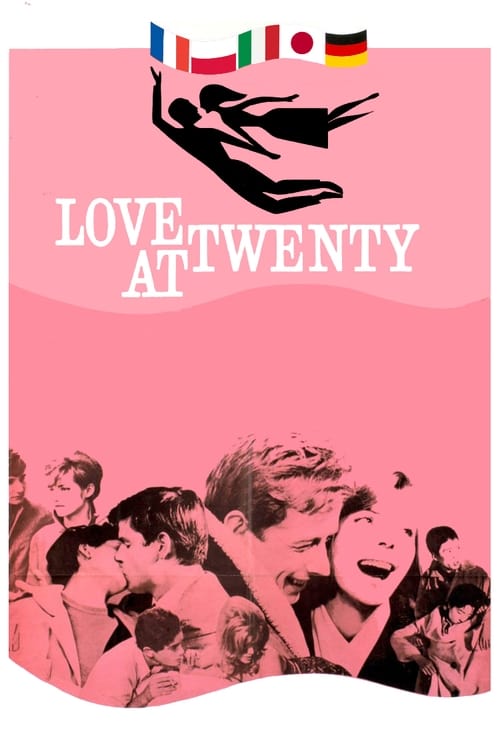
1962
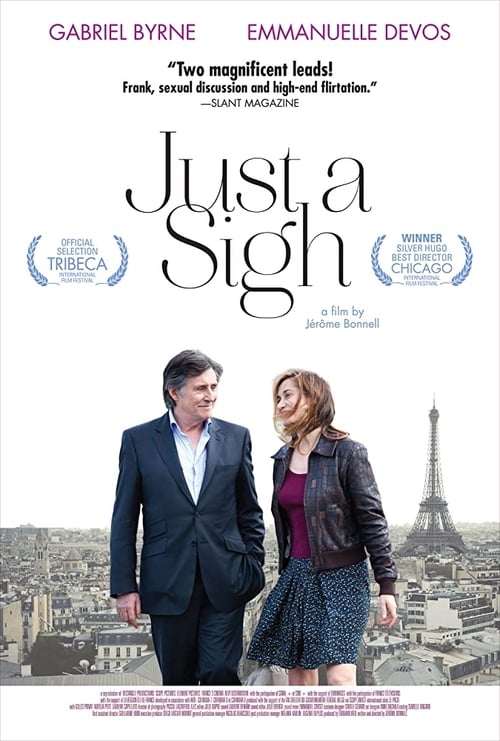
2013
No reviews yet. Be the first to share your thoughts on this movie!
Use the rating form above to leave a star rating and optional review.