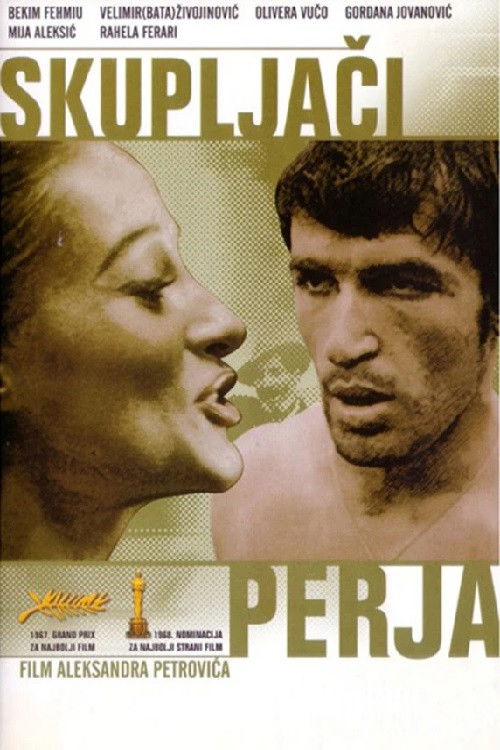
I Even Met Happy Gypsies
1967
No user ratings available yet
Diversity score: 6.5 out of 10
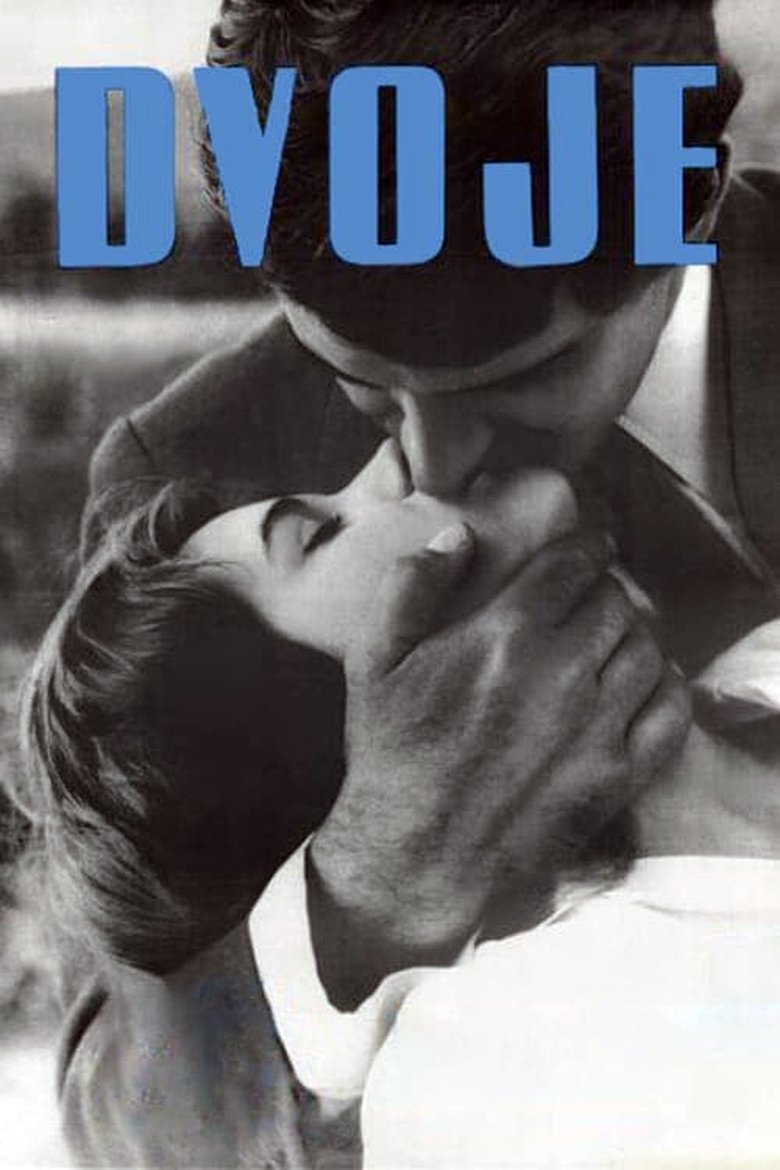
1961
Director
Aleksandar Petrović
Runtime
88 minutes
Average Rating
No ratings yetSynopsis
A young man falls in love with the girl who he met by accident.
Overall Score
Fair
Category Breakdown
LGBTQ+ Representation
The story centers on a romantic encounter between a man and a woman. There is no explicit evidence of queer identities or non-heteronormative themes within the narrative.
Gender Representation
The film explores a romantic connection that may risk standard gender tropes. However, the director's style suggests the female lead might possess significant emotional agency and psychological complexity.
Racial & Ethnic Diversity
The production reflects the demographic homogeneity of 1961 Yugoslavia. The narrative appears rooted in a specific European cultural milieu without evidence of intersectional casting.
Religious & Cultural Diversity
The film aligns with Yugoslav cinematic traditions, favoring existentialism over strict religious moralism. It offers a philosophically complex view of human relationships rather than a traditionalist code.
Disability Representation
There is no indication of characters with visible or invisible disabilities within the film's known narrative structure.
Strengths
Areas for Improvement
AI Analysis
Aleksandar Petrović’s work typically prioritizes psychological realism and individual experience over state-sanctioned moralism. This approach suggests a film that values subjective human connection over rigid social archetypes. However, the film is limited by its historical and regional context. As a 1961 Yugoslav production, it lacks the intersectional diversity and explicit identity markers found in modern cinema. The narrative functions as a localized romantic drama. While it may challenge romantic structures through depth, it remains grounded in the demographic realities of its era.
1967
1966
1965
1977

1981
1968
1969
1958
1992
1970
1969
1967
No reviews yet. Be the first to share your thoughts on this movie!
Use the rating form above to leave a star rating and optional review.