
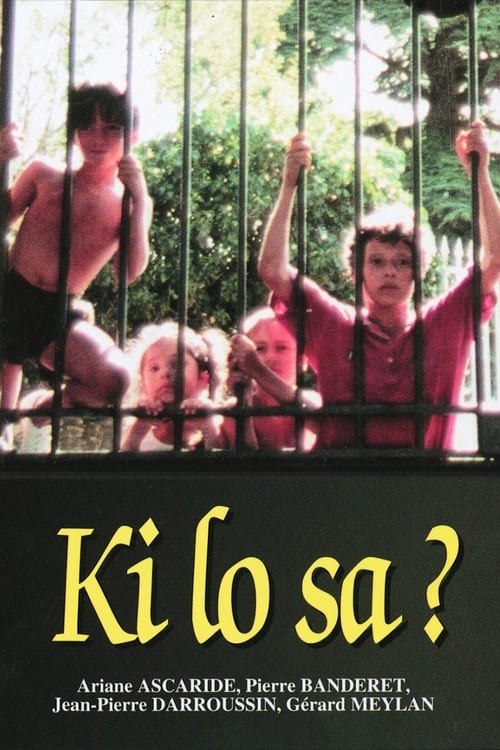
Russian Dolls
2005
No user ratings available yet
Representation score: 8.9 out of 10
Representation Score
Fair
1986
Director
Robert Guédiguian
Runtime
90 minutes
Average Rating
No ratings yetNew Showbiz Analysis
Robert Guédiguian’s work is grounded in social realism, focusing on how individual lives intersect with socioeconomic structures. The film uses a temporal jump to show how a shared community evolves over time. The narrative structure emphasizes the collective experience of a neighborhood rather than traditional, individualistic hero stories. It appears designed to explore how environmental and systemic changes influence personal development. While specific identities like LGBTQ+ or disability are not explicitly highlighted, the film’s focus on underrepresented communities suggests a nuanced approach to social standing and communal identity.
Category Breakdown
The film does not include any clear examples of LGBTQ+ narratives or non-straight relationships. There is no specific mention of queer identities.
The film features a diverse cast of childhood friends, which could suggest varied gender roles. However, there is no detailed information about individual character arcs that would confirm if the film challenges traditional gender roles.
The story seems to center around a specific ethnic or socioeconomic community. This focus on a particular neighborhood highlights a communal identity rather than a homogeneous depiction.
The premise involves examining the lives of individuals within a neighborhood, emphasizing social realism. It highlights how broader social forces shape individual lives.
There is no information available to indicate the presence of characters with visible or invisible disabilities.
Present on Screen
Limited or Absent
Official Synopsis
A group of children from the same neighborhood meet a few years later. When the day comes, they meet again and take stock of their lives.
2005

1966

2019
1992

2004

2016

1983
2004
No reviews yet. Be the first to share your thoughts on this movie!
Use the rating form above to leave a star rating and optional review.