
The Story of Sin
1975
No user ratings available yet
Diversity score: 4.7 out of 10
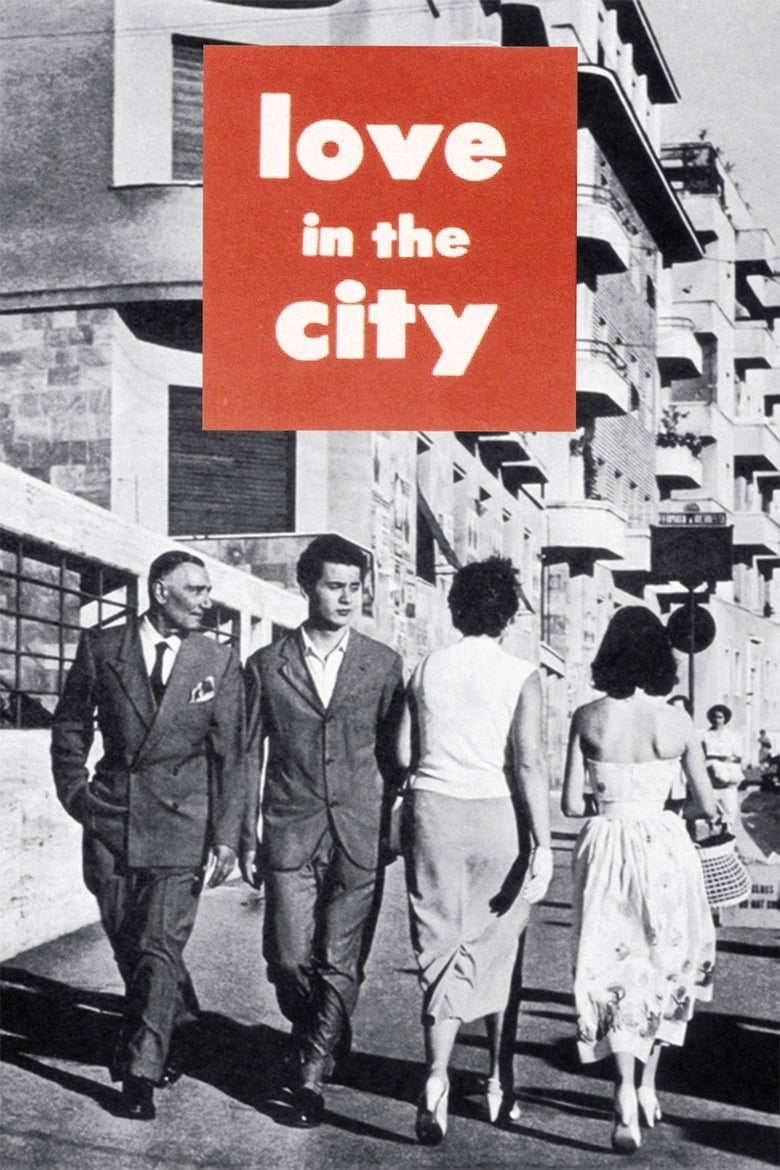
1953
NRDirector
Carlo Lizzani, Alberto Lattuada, Federico Fellini, Michelangelo Antonioni, Dino Risi, Francesco Maselli
Runtime
115 minutes
Average Rating
No ratings yetSynopsis
Six vignettes explore love and desire in Rome, from prostitution and heartache to unwed motherhood and the male gaze.
Overall Score
Fair
Category Breakdown
LGBTQ+ Representation
The film focuses on heteronormative desire and romantic entanglements within Rome. There is no visible queer agency or explicit critique of heteronormativity present in these vignettes.
Gender Representation
The vignettes disrupt romantic tropes by centering the female experience. Women are portrayed as primary drivers of their own trajectories, navigating themes like unwed motherhood and the male gaze.
Racial & Ethnic Diversity
The narrative depicts a largely homogeneous Mediterranean population. The focus remains on class and urban sociology rather than racial or ethnic intersectionality.
Religious & Cultural Diversity
The film engages with moral relativism by moving away from singular Christian morality. It presents a subjective view of human desire and the struggle against rigid social structures.
Disability Representation
The film explores psychological distress and social alienation. However, there is no specific evidence regarding the representation of physical or neurodivergent disabilities.
Strengths
Areas for Improvement
AI Analysis
Love in the City is a sophisticated study of social fragmentation in post-war Rome. It succeeds by subverting traditional gender hierarchies and refusing to offer easy, moralistic resolutions to its characters' struggles. While the film provides significant agency to women, it remains limited by the social constraints of 1953. It lacks modern intersectional markers, particularly regarding LGBTQ+ identities and racial diversity. The work prioritizes sociological truth over sentimentality. It captures the friction between individual agency and established economic norms, making it a powerful, if demographically narrow, urban portrait.
1975
1994

1961

1967

1962
1995

1983

1984
1955
1966

1994
1961
No reviews yet. Be the first to share your thoughts on this movie!
Use the rating form above to leave a star rating and optional review.