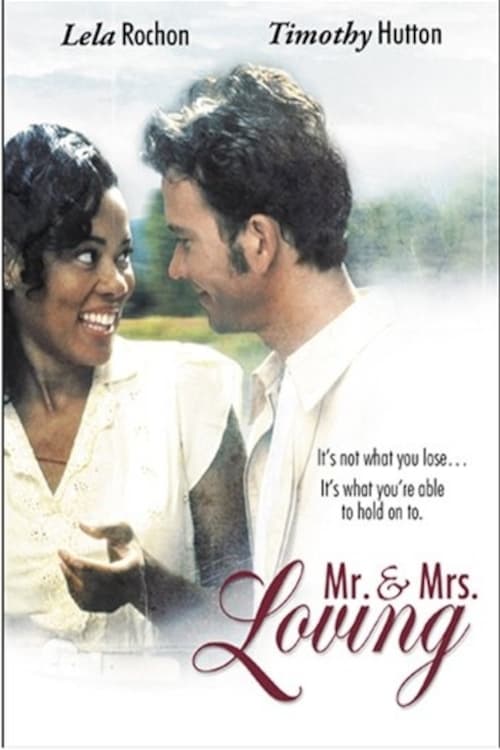
Mr. and Mrs. Loving
1996
No user ratings available yet
Diversity score: 6.7 out of 10
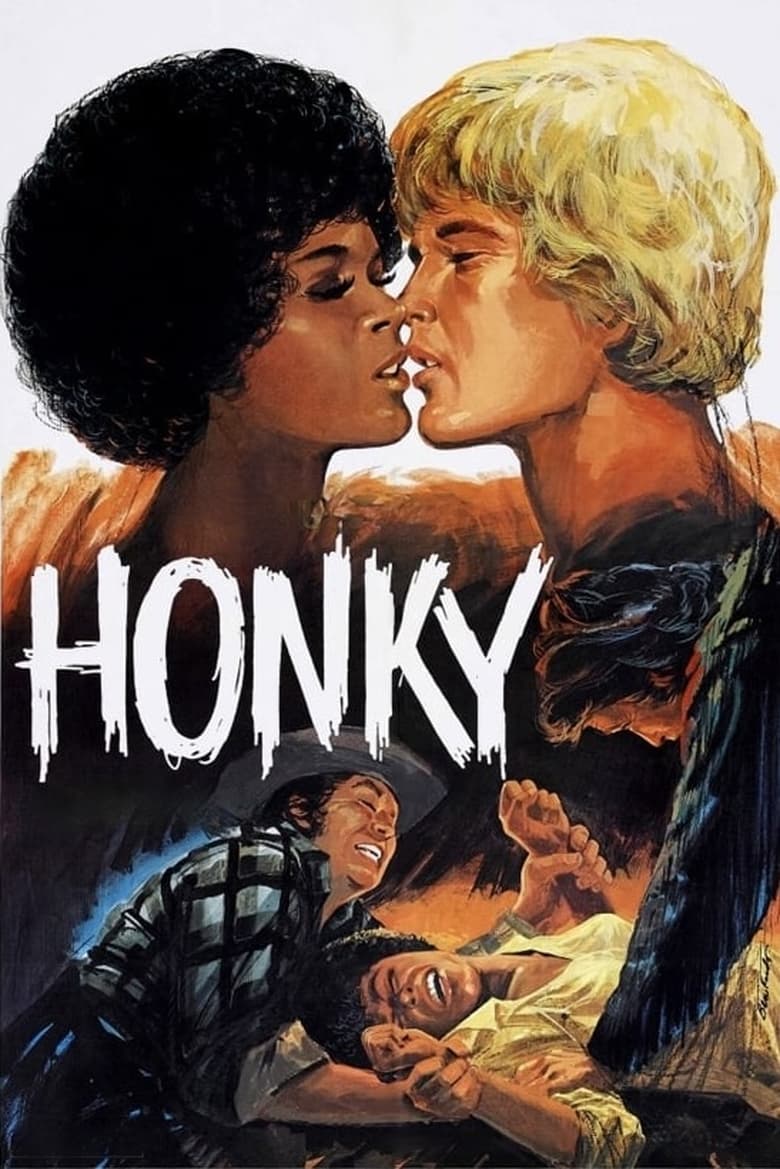
1971
RDirector
William A. Graham
Runtime
92 minutes
Average Rating
No ratings yetSynopsis
Sheila, an affluent black teenager, begins dating working class white teen Wayne, and asks him for help to sell a kilo of marijuana.
Overall Score
Good
Category Breakdown
LGBTQ+ Representation
The narrative focuses on a heterosexual romantic pairing. There is no mention of LGBTQ+ characters or non-heteronormative identities within the story.
Gender Representation
Sheila serves as the central protagonist and driver of the plot. However, it is unclear if the film subverts gender hierarchies or relies on traditional romantic tropes.
Racial & Ethnic Diversity
The film centers on an interracial romance between an affluent Black teenager and a working-class white teen. This pairing disrupts social hierarchies and explores complex intersections of race and class.
Religious & Cultural Diversity
The plot uses marijuana distribution to challenge traditionalist morality and legalistic structures. This approach moves the story toward a more nuanced, situational ethical framework.
Disability Representation
There is no evidence of characters with visible or invisible disabilities in the provided context.
Strengths
Areas for Improvement
AI Analysis
Honky stands out for its progressive handling of interracial dynamics and class friction. By centering a relationship between an affluent Black woman and a working-class white man, the film challenges the social status quo of 1971. The narrative also engages with counter-cultural themes, using a shared criminal enterprise to critique established social and moral structures. This provides a layer of complexity beyond simple romantic drama. However, the film lacks representation in other key areas. There is no visible focus on LGBTQ+ identities or disability, leaving the social scope somewhat narrow despite its racial progressiveness.
1996
1996

1985

1972
1981
1958
1970

1976
No reviews yet. Be the first to share your thoughts on this movie!
Use the rating form above to leave a star rating and optional review.