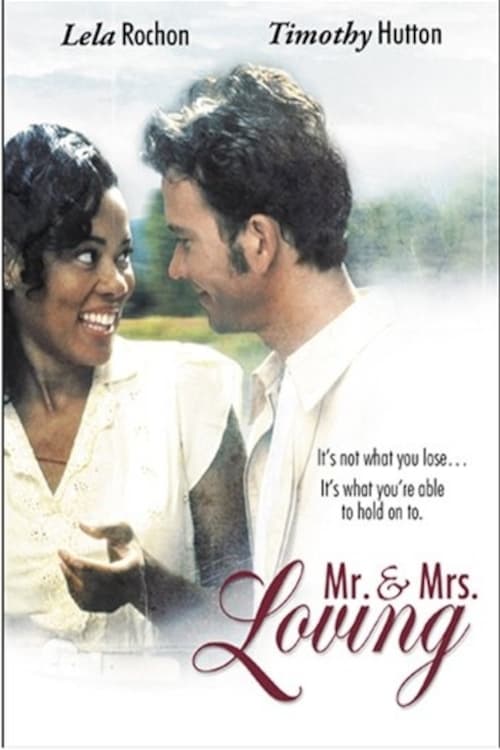
Mr. and Mrs. Loving
1996
No user ratings available yet
Diversity score: 6.7 out of 10
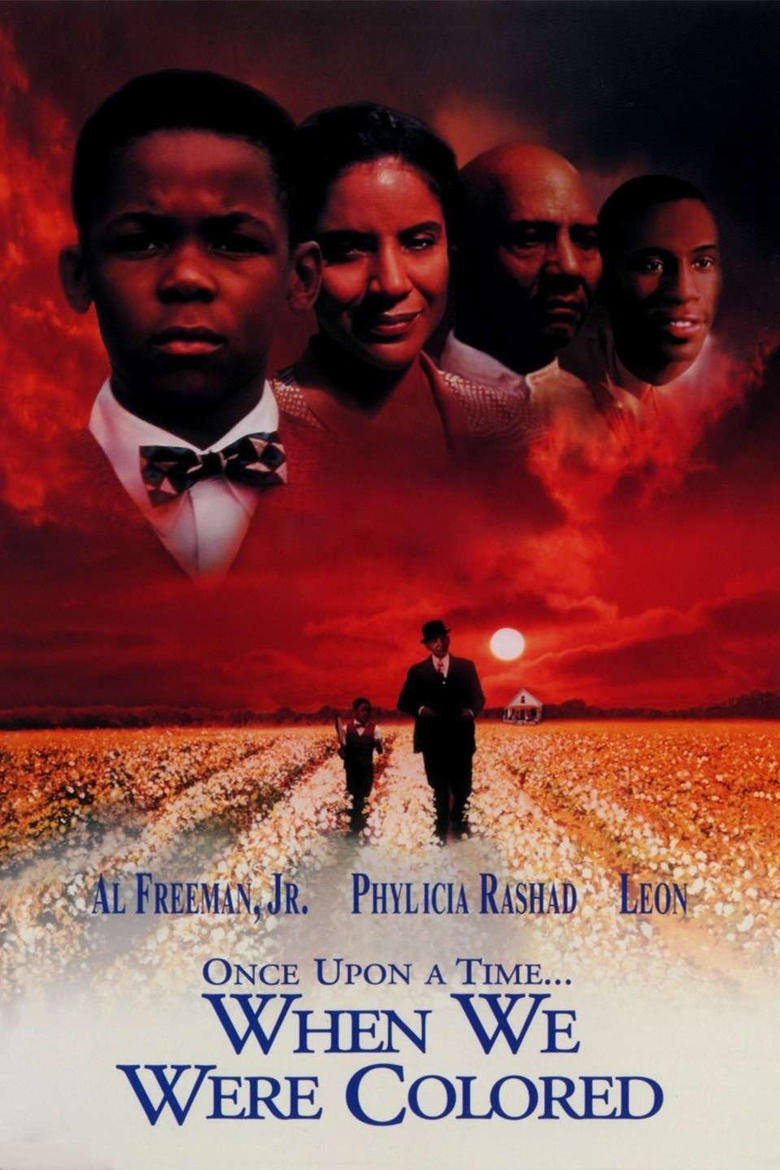
1996
PGDirector
Tim Reid
Runtime
115 minutes
Average Rating
No ratings yetSynopsis
A narrator tells the story of his childhood years in a tightly knit Afro-American community in the deep south under racial segregation.
Overall Score
Fair
Category Breakdown
LGBTQ+ Representation
The film focuses strictly on the communal and familial structures of the 1950s Jim Crow South. There is no discernible presence of non-cisnormative identities or same-sex intimacy.
Gender Representation
The narrative reinforces traditional gender roles within the mid-century Southern family unit. While female characters possess depth, the film does not actively seek to subvert established masculine or feminine archetypes.
Racial & Ethnic Diversity
The film excels by centering the African American experience through an all-Black cast. It portrays the community as a vibrant, self-sustaining ecosystem rather than merely a group of victims.
Religious & Cultural Diversity
The Black church serves as a central pillar of community strength. The story critiques Western social structures and the failure of democratic ideals to protect Black citizens.
Disability Representation
There is no significant or intentional focus on neurodivergence or physical disabilities. Vulnerability in the film is tied to systemic segregation rather than specific disability-focused agency.
Strengths
Areas for Improvement
AI Analysis
Tim Reid’s direction provides a nuanced, identity-driven narrative that prioritizes African American lived experiences. By centering a marginalized community, the film successfully disrupts the traditional 'white-as-default' cinematic lens used to depict American history. The work achieves excellence in racial and cultural representation, offering a complex view of Black identity and community resilience. It effectively deconstructs the myth of a unified American experience during the 1950s. However, the film's diversity is moderated by its adherence to historical period norms. This results in a lack of LGBTQ+ visibility and a reinforcement of traditional gender hierarchies common to the era.
1996
2001
1971
2020

1957
No reviews yet. Be the first to share your thoughts on this movie!
Use the rating form above to leave a star rating and optional review.