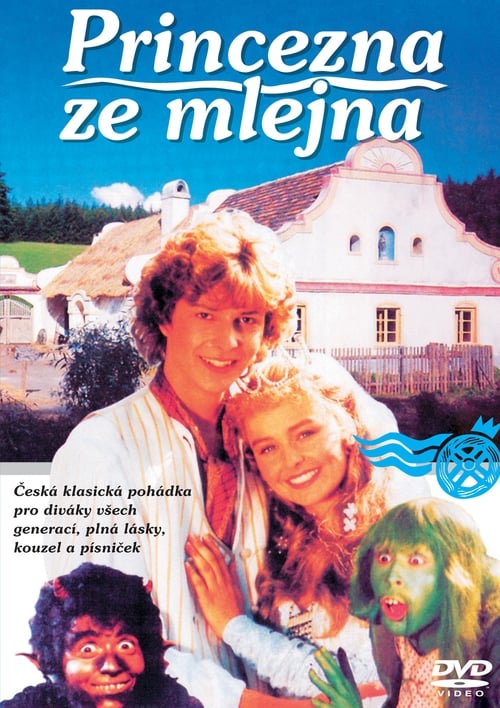
The Watermill Princess
1994
No user ratings available yet
Representation score: 1.4 out of 10
Representation Score
Limited
1999
Director
Zdeněk Troška
Runtime
111 minutes
Average Rating
No ratings yetNew Showbiz Analysis
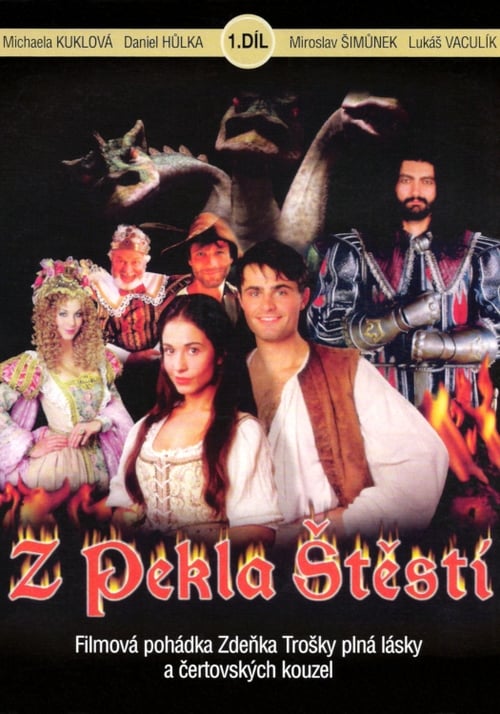
Helluva Good Luck operates as a conventional fairy-tale comedy, relying heavily on established folkloric archetypes. The plot centers on a standard romantic conflict involving jealousy and vengeance, keeping the focus on individual morality rather than broader social themes. The film lacks depth in reflecting multiple aspects of identity, adhering to localized casting norms and traditional character clichés. It prioritizes classical storytelling over the deconstruction of systemic power dynamics or identity-driven narratives.
Category Breakdown
The film centers around a traditional romantic love triangle without addressing LGBTQ+ identities or narratives that challenge the assumption that everyone is straight or cisgender.
Dora serves as a central female protagonist but embodies the 'wicked woman' archetype. The story emphasizes interpersonal jealousy rather than disrupting traditional gender hierarchies.
The production likely reflects the homogeneous cultural landscape of Central Europe. There is no indication of diverse ethnic ensembles or race-bent casting.
Themes are rooted in traditional folk-comedy and individual morality. The narrative reinforces established social structures rather than exploring secular or anti-capitalist frameworks.
The narrative contains no mention of characters with visible or invisible disabilities. No assessment of neurodivergence or physical impairments is possible.
Present on Screen
Limited or Absent
Official Synopsis
Dora, a lazy and evil woman, is in love with her servant, Hannes. Hannes, however, loves her sister-in-law, Margareta. When Dora learns about this, she vows revenge against the couple.
1994

2000
1983

2017
1988

2011
2001
2012
No reviews yet. Be the first to share your thoughts on this movie!
Use the rating form above to leave a star rating and optional review.