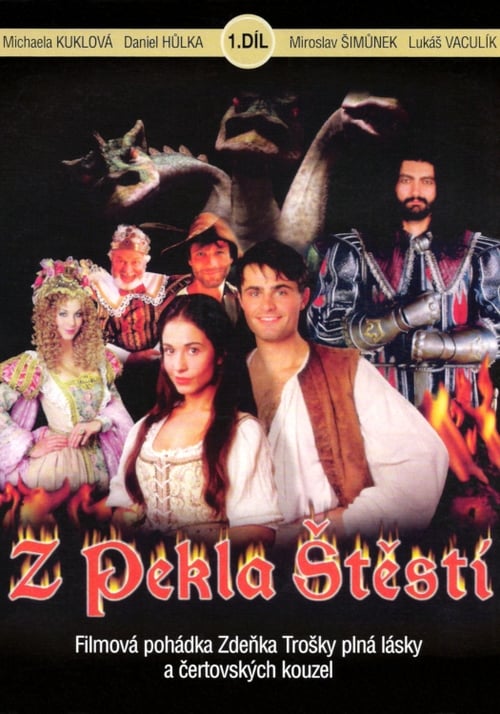
Helluva Good Luck
1999
No user ratings available yet
Representation score: 2.5 out of 10
Representation Score
Limited
1983
Director
Radim Cvrček
Runtime
88 minutes
Average Rating
No ratings yetNew Showbiz Analysis
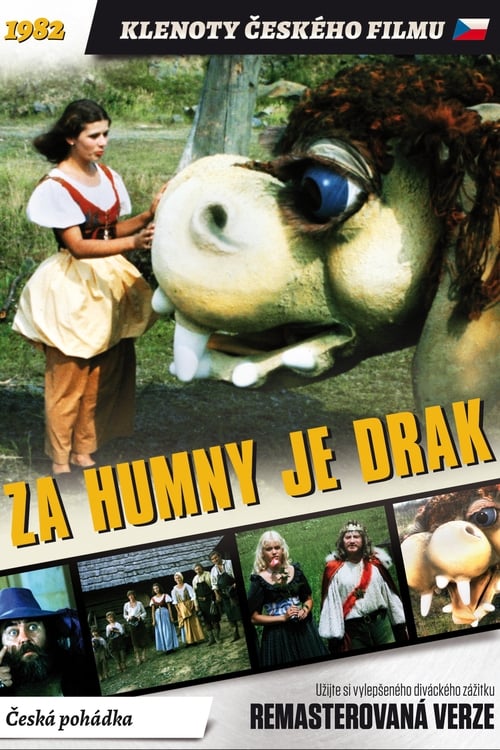
Radim Cvrček’s 1983 fantasy-comedy offers a subtle subversion of monarchical authority through its portrayal of the king and the dragon. By framing the dragon as a friendly entity and the monarchy as an obstacle, the film disrupts traditional power structures. However, the film remains largely tied to conventional social hierarchies. The narrative relies on a classic hero's journey that prioritizes male-driven action and lacks meaningful multi-layered diversity or representation of underrepresented identities. Ultimately, while the film provides a critique of institutional rigidity, it does not actively dismantle systemic social hierarchies through its character development or casting.
Category Breakdown
The story follows a traditional structure focused on the romantic interests of Princess Viola and Marian, with no visible signs of queer subtext or non-cisgender identities.
Princess Viola plays a central role in driving the plot and subtly challenges patriarchal control. However, the main actions are driven by male characters, which limits the scope of female influence.
The film features a homogeneous cast within its localized Czechoslovakian setting. There is no indication of racial blending or the use of non-human species as ethnic metaphors.
The narrative critiques monarchical institutions by portraying the king as irrational and driven by reactionary fear. The friendly dragon Mrak serves as a subversion of the 'othering' typically found in traditional folklore.
No characters with visible or invisible disabilities are identified in the narrative. Consequently, there is no representation of disability in this production.
Present on Screen
Limited or Absent
Official Synopsis
In one royal forest, where coal miner Patočka lives and works, the friendly dragon Mrak settles down. The king's lackeys come across him while hunting and, terrified, go to sell the news to the king. He is currently organizing his daughter Viola's birthday party. The hunters describe the dragon in terrifying colors, and so the king concludes that the dragon will, according to tradition, want the king's daughter. So he announces a reward for killing the dragon, but no one wants to fight him. The only one who applies is the princess's favorite, the lutenist Marian, but the king does not like him, so he throws him out. Her brother Jan wants to save the princess, but the king doesn't want to allow it...
1999
1988
2017
1994
1966

2000
1982
1978
No reviews yet. Be the first to share your thoughts on this movie!
Use the rating form above to leave a star rating and optional review.