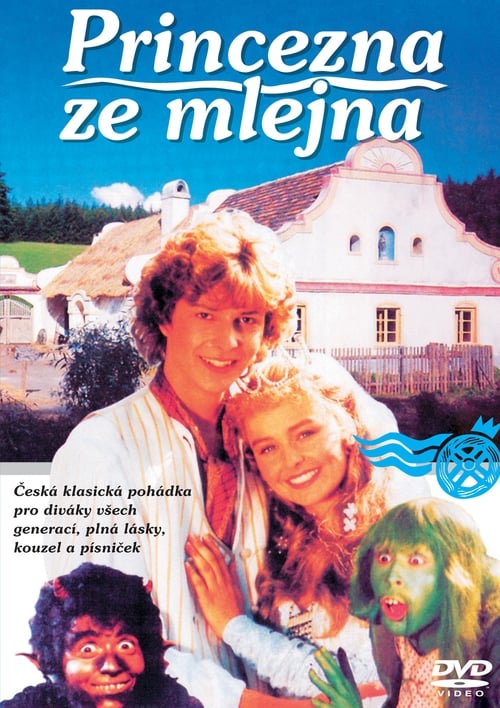
The Watermill Princess
1994
No user ratings available yet
Representation score: 1.4 out of 10

Representation Score
Limited
2000
Director
Zdeněk Troška
Runtime
111 minutes
Average Rating
No ratings yetNew Showbiz Analysis
The Watermill Princess 2 follows a classic genre structure, adhering strictly to established fairy-tale clichés. The narrative focuses on a traditional 'happily ever after' model, avoiding any deconstruction of social hierarchies. Representation in the film is conventional, relying on historical folk-tale structures. The film maintains a singular cultural aesthetic and traditional gendered conflicts centered on heroism and romance. It does not seek to challenge or expand upon diverse social identities.
Category Breakdown
The film centers on a traditional romantic relationship and does not include any non-straight or non-cisgender identities. It does not challenge the idea that everyone is assumed to be straight or cisgender.
The storyline reinforces traditional gender roles through a conflict focused on combat and jealousy. The male character is defined by his role in battle, while the female characters are primarily defined by their romantic relationships.
The film features a cast that reflects a single, localized cultural background, consistent with local folklore. It does not include multi-ethnic ensembles or diverse cultural representations.
The story emphasizes Western/Central European storytelling traditions and traditional romantic ideals. It focuses on singular moral outcomes without exploring moral relativism.
There is no evidence of the portrayal of physical or neurodivergent characters in this narrative.
Present on Screen
Limited or Absent
Official Synopsis
Happily ever after has a bumpy start for a young couple in a magical land when the husband is sent off to battle by a jealous prince.
1994
1965
1999
1997
2000
2017
1983
1988
No reviews yet. Be the first to share your thoughts on this movie!
Use the rating form above to leave a star rating and optional review.