Find another title
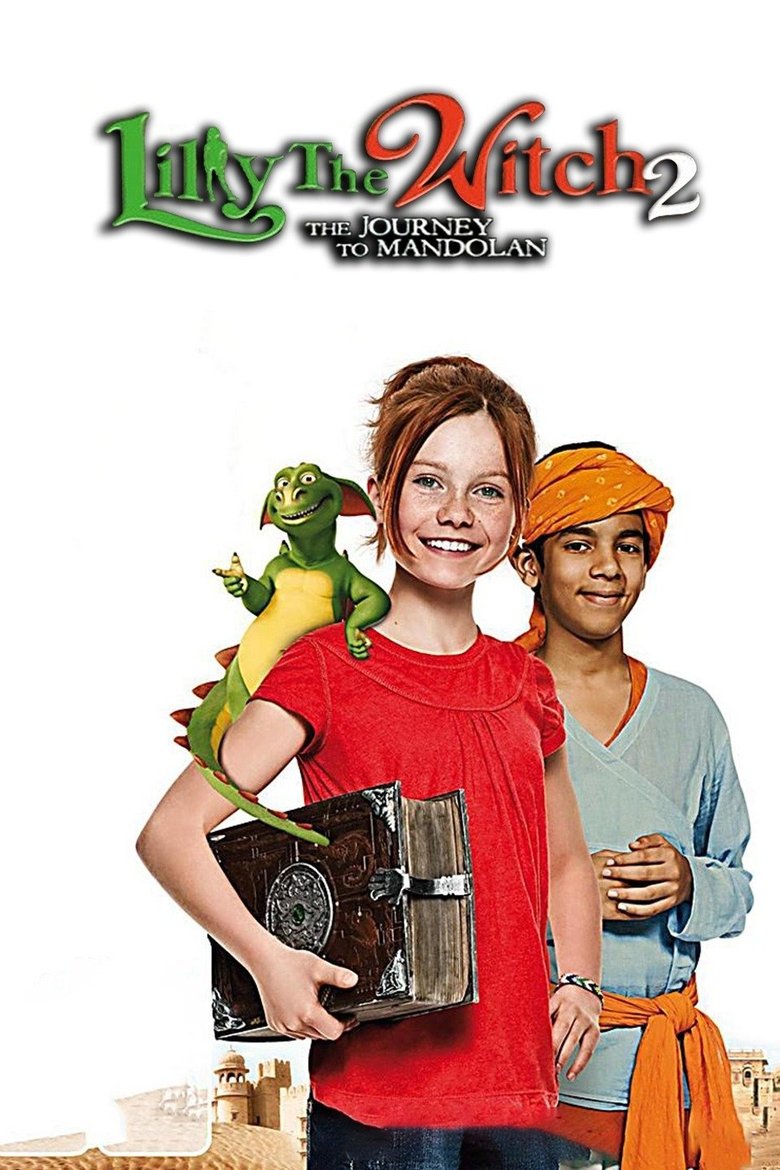
Lilly the Witch: The Journey to Mandolan
2011
Director
Harald Sicheritz
Runtime
90 minutes
Average Rating
No ratings yetSynopsis
Lilli is traveling to India, to solve a mystery.
Where to Watch
Diversity & Representation
Overall Score
Fair
Category Breakdown
LGBTQ+ Representation
The film follows a traditional fantasy adventure framework. There are no depictions of non-cisnormative gender identities or same-sex intimacy within the story.
Gender Representation
Lilly serves as a strong female protagonist with significant magical agency. She drives the plot by solving mysteries and navigating political schemes, though she operates within conventional hero tropes.
Racial & Ethnic Diversity
The setting moves beyond Anglo-centric perspectives by utilizing an oriental kingdom. The cast includes diverse actors and characters like Musa, a Bedouin boy, and King Nandi.
Religious & Cultural Diversity
The narrative focuses on restoring a rightful ruler through a classic quest. It relies on established fantasy tropes of the East rather than offering a radical cultural reimagining.
Disability Representation
There is no visible or documented evidence regarding the portrayal of physical or neurodivergent disabilities in the film.
Strengths
- The female protagonist, Lilly, possesses significant intellect and magical agency.
- The film features a diverse cast and moves beyond strictly Anglo-centric perspectives.
- The setting provides a non-Western backdrop that expands the narrative scope.
Areas for Improvement
- The narrative relies heavily on traditional fantasy tropes regarding Eastern cultures.
- The story follows conventional heteronormative and moral structures.
- There is a lack of representation for neurodivergent or physical disabilities.
AI Analysis
Lilly the Witch: The Journey to Mandolan offers a moderate level of inclusion by centering a capable female lead and utilizing a non-Western setting. The presence of characters like Musa and King Nandi provides a more global feel than standard Western fairy tales. However, the film remains tethered to traditional fantasy tropes. The use of 'oriental' settings and archetypal figures like a Grand Vizier suggests a reliance on established genre conventions rather than deep cultural subversion. Ultimately, while the film succeeds in providing agency to its female protagonist and a diverse cast, it adheres to conventional moral structures and heteronormative storytelling typical of family adventures.
Rate this Movie
Reviews
No reviews yet. Be the first to share your thoughts on this movie!
Use the rating form above to leave a star rating and optional review.