
Bungo Stray Dogs the Movie: BEAST
2022
No user ratings available yet
Representation score: 5.1 out of 10
Representation Score
Good
2018
TV-14Director
Takuya Igarashi
Runtime
90 minutes
Average Rating
No ratings yetNew Showbiz Analysis
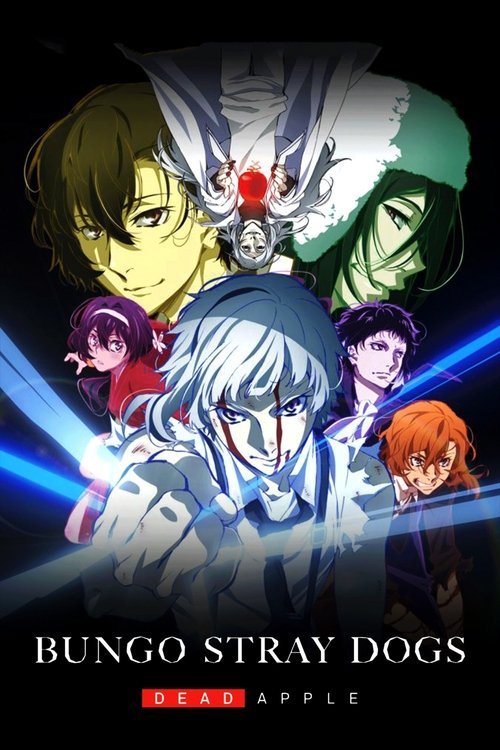
Bungo Stray Dogs: Dead Apple presents a character-driven narrative that avoids harmful stereotypes but maintains a conventional focus. It emphasizes individual existentialism over the deconstruction of social hierarchies. The film successfully portrays competence and meaningful roles for supporting characters, especially strong female roles. However, it does not delve deeply into multi-layered issues or systemic social critiques. The narrative remains centered on traditional genre structures, focusing on metaphysical struggles rather than broader social critiques.
Category Breakdown
The film does not explicitly depict same-sex relationships or non-binary gender identities. However, it includes intense emotional connections with underlying subtext, though it adheres to traditional romantic storylines without challenging the assumption that everyone is straight or cisgender.
Akiko Yosano is portrayed with significant authority in both medical and tactical roles. Nevertheless, the story remains focused on male protagonists and their actions, emphasizing existential crises.
Yokohama serves as a diverse urban setting, but the cast relies on typical genre archetypes without incorporating specific ethnic narratives or race-bent casting to enhance social commentary.
The story delves into moral relativism through the conflict between individual existence and prescribed scripts. It also examines institutional power through the tension between state authority and unofficial investigators.
Supernatural abilities are used as metaphors for inherent physical or psychological differences. However, these traits often serve as combat plot devices rather than nuanced explorations of lived disability experiences.
Present on Screen
Limited or Absent
Official Synopsis
A large scale catastrophe is occurring across the planet. Ability users are discovered after the appearance of a mysterious fog, apparently having committed suicide, so the Armed Detective Agency sets out to investigate these mysterious deaths. The case seems to involve an unknown ability user referred to as "Collector," a man who could be the mastermind behind the incident. Trust and courage are put to the test in order to save the city of Yokohama and ability users across the world from the grip of Collector where the Armed Detective Agency forms an unlikely partnership with the dangerous Port Mafia.
2022

2001

2017

2013

2016

2016

2014
2016
No reviews yet. Be the first to share your thoughts on this movie!
Use the rating form above to leave a star rating and optional review.