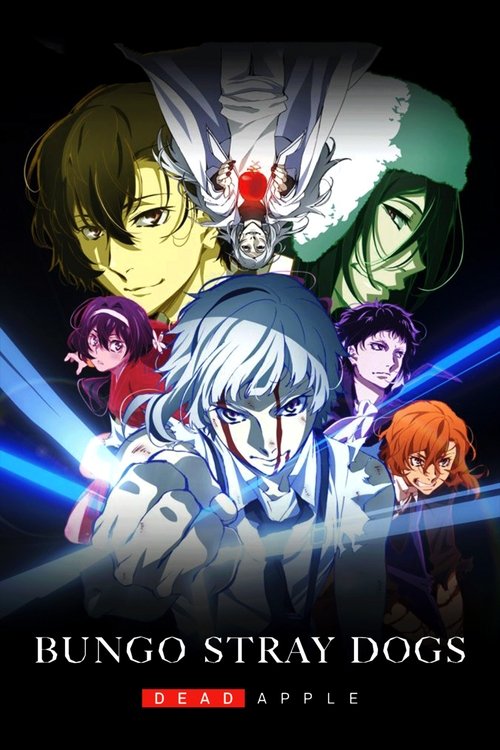
Bungo Stray Dogs: Dead Apple
2018
No user ratings available yet
Representation score: 6.1 out of 10
Representation Score
Fair
2022
Director
Koichi Sakamoto
Runtime
117 minutes
Average Rating
No ratings yetNew Showbiz Analysis
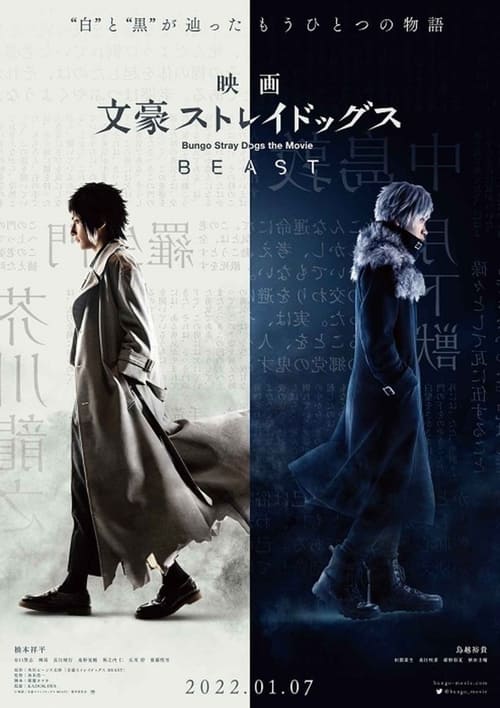
Bungo Stray Dogs the Movie: BEAST functions as a speculative reimagining that disrupts established character trajectories. By using a 'what-if' structure, the film challenges conventional power hierarchies and moral binaries. The narrative succeeds in deconstructing traditional hero and villain archetypes through its situational ethical framework. It prioritizes complex, subjective morality over institutional righteousness, making systemic organizations feel nuanced. However, the film lacks overt demographic diversity. The focus remains heavily on masculine-coded conflict and a homogeneous aesthetic, limiting its impact regarding racial and gender-based representation.
Category Breakdown
The film shifts interpersonal dynamics between protagonists through a role-reversal mechanic. Although explicit non-straight identities are not detailed, the franchise often explores intense, non-traditional emotional bonds.
The narrative focuses on high-stakes conflict driven by male protagonists navigating criminal and detective organizations. Characters subvert traditional roles through active involvement, but the core drive remains centered on masculine-coded vengeance.
The cast is largely homogeneous in its aesthetic presentation within a stylized urban landscape. Diversity is found through literary casting, where characters represent historical authors, though this lacks multi-ethnic majority representation.
The film places characters in inverted roles, disrupting the binary of good versus evil. Systemic institutions are framed as complex entities rather than purely moral compasses.
Specific details regarding the portrayal of visible or invisible disabilities are unconfirmed. The franchise often uses supernatural abilities as metaphors for psychological trauma, but specific disability representation is not detailed.
Present on Screen
Limited or Absent
Official Synopsis
Set in an alternative world of Bungo Stray Dogs, this "what-if" story imagines if Atsushi Nakajima was in the Port Mafia and Ryūnosuke Akutagawa was in the Armed Detective Agency, instead of vice-versa. The story follows Ryūnosuke Akutagawa, who vows revenge on a man dressed in black in order to rescue his sister. However, as he is about to starve to death, a man from the Armed Detective Agency appears.
2018

2010
2025
2019

2014

2009
2022

2023
No reviews yet. Be the first to share your thoughts on this movie!
Use the rating form above to leave a star rating and optional review.