
The Man Who Saved Ben-Hur
2016
No user ratings available yet
Diversity score: 5.4 out of 10

2015
Director
Nancy Buirski
Runtime
103 minutes
Average Rating
No ratings yetSynopsis
An analysis of director Sidney Lumet's work (12 Angry Men, Dog Day Afternoon, Before The Devil Knows You're Dead) in his own words, based on a five-day interview recorded shortly before his death.
Overall Score
Fair
Category Breakdown
LGBTQ+ Representation
The film lacks explicit LGBTQ+ character arcs or central narratives. It offers a window into the historical subtext of mid-century cinema where queer identities were often coded or suppressed.
Gender Representation
The documentary centers the intellectual agency of a male creator through a lens of vulnerability. It deconstructs heroic archetypes by focusing on psychological pressures and collaborative filmmaking.
Racial & Ethnic Diversity
As a study of a mid-20th-century filmmaker, the content is shaped by historical social constraints. It examines how racial dynamics were navigated within the Hollywood studio system.
Religious & Cultural Diversity
The film embraces moral relativism and subjective morality. It prioritizes a secular, humanist perspective and individual psychological truth over singular religious or patriotic moralities.
Disability Representation
The film touches upon the psychological and mental health aspects of the creative process. It offers a non-sensationalized look at mental endurance and the emotional toll of directing.
Strengths
Areas for Improvement
AI Analysis
This documentary avoids the standard 'great man' biopic trope by focusing on Sidney Lumet's introspective and critical view of his own creative process. It prioritizes the deconstruction of cinematic tropes and systemic awareness over simplified storytelling. While the film lacks direct demographic diversity in its subjects, it succeeds through intellectual engagement. It uses Lumet's testimony to dissect human frailty and the social environments of the eras he worked in. The narrative architecture favors nuance, examining how systemic pressures drive human behavior rather than relying on binary archetypes.
2016

2023

2006

2002

2001

2021

2013
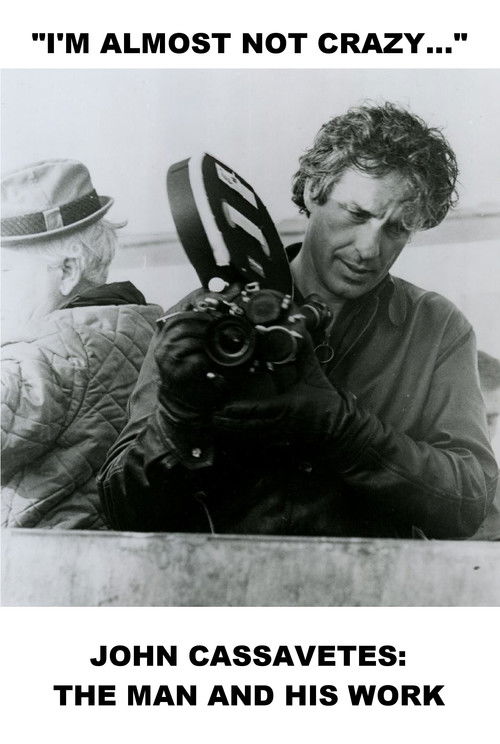
1984
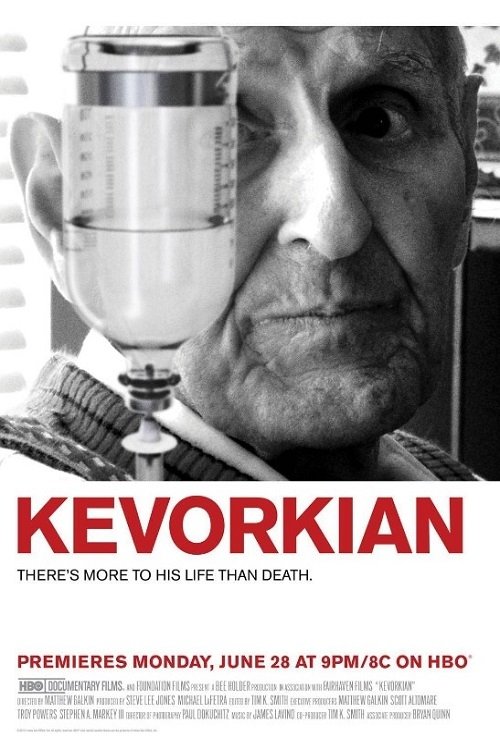
2010
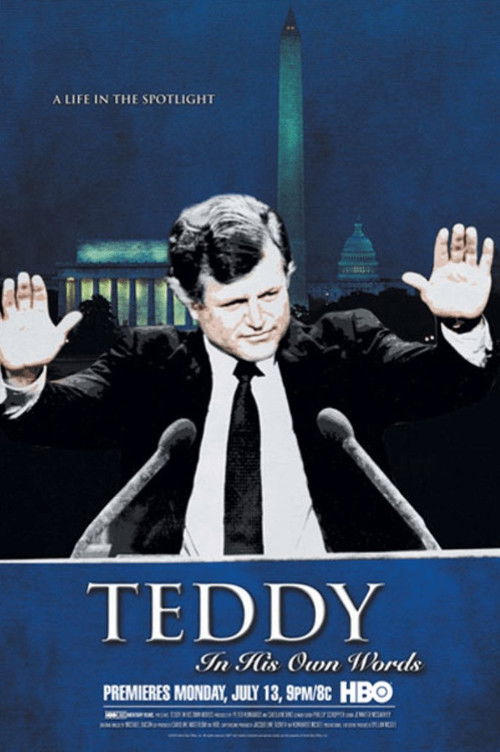
2009

2012

2011
No reviews yet. Be the first to share your thoughts on this movie!
Use the rating form above to leave a star rating and optional review.