
The Windmill Movie
2009
No user ratings available yet
Diversity score: 4.9 out of 10
2016
TV-GDirector
Joe Forte
Runtime
60 minutes
Average Rating
No ratings yetSynopsis
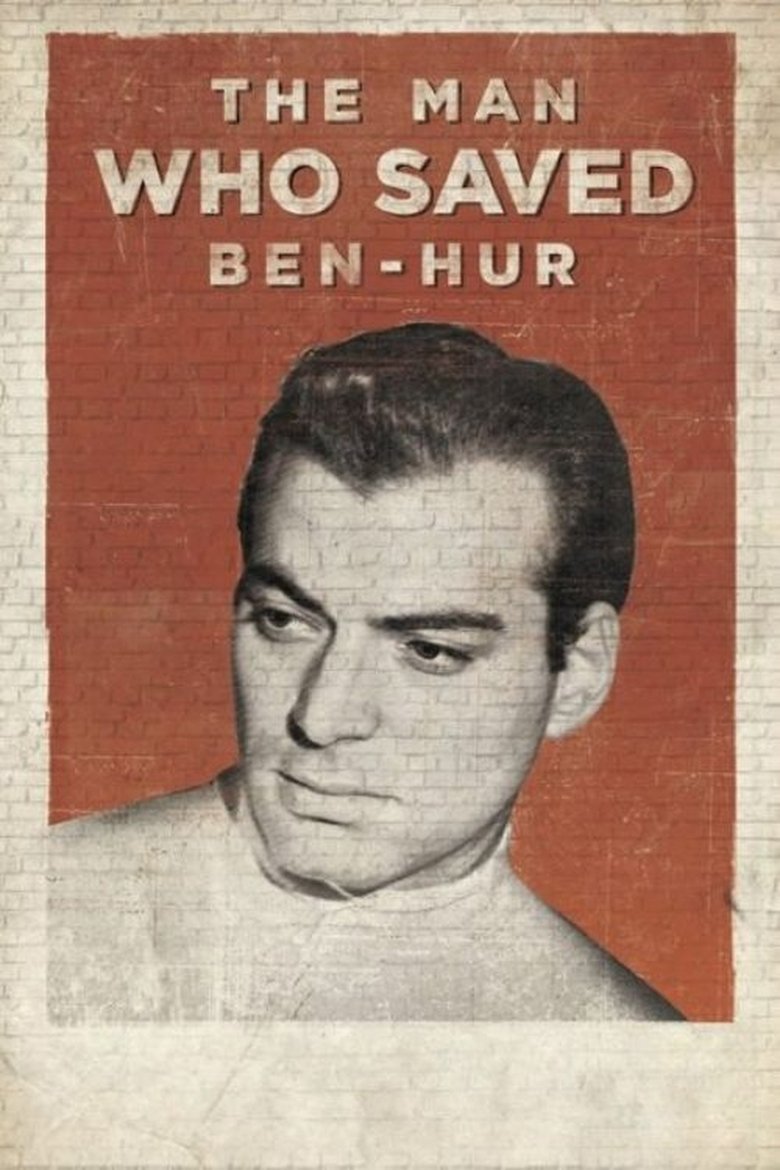
The Man Who Saved Ben-Hur explores the filmmakers relationship with his 89-year old second cousin, Johnny Alarimo, at the end of his life. A charismatic loner, Johnny spent a dazzling career behind the scenes in show business without never forming any lasting relationships. Destine to die that way, the film is a subtle dance between a subject who wants to control his legacy, and a filmmaker/family-member who simply wants to know him.
Overall Score
Fair
Category Breakdown
LGBTQ+ Representation
The film focuses on a subject who lived as a charismatic loner without lasting relationships. While this suggests a life outside traditional domestic structures, there is no explicit depiction of specific sexual orientations.
Gender Representation
This is a male-centric study centered on an elderly man and his relationship with a male filmmaker. The narrative lacks evidence of female agency or the subversion of gender hierarchies.
Racial & Ethnic Diversity
The documentary provides no specific details regarding the racial or ethnic composition of the cast. It appears to focus on the specific heritage of the Alarimo family.
Religious & Cultural Diversity
The film explores cultural subjectivity by deconstructing a personal legacy. It moves away from structured biographical storytelling to focus on the tension between individual control and subjective truth.
Disability Representation
The film addresses the vulnerabilities of an 89-year-old subject at the end of his life. It explores the physical and existential limitations of aging without relying on tropes.
Strengths
Areas for Improvement
AI Analysis
The Man Who Saved Ben-Hur is an intimate character study that prioritizes personal legacy over broad social messaging. It functions as a nuanced exploration of an individual's life, though it lacks overt representation of marginalized groups. The film's strength lies in its departure from traditional biographical tropes. By focusing on a subject who exists on the periphery of social bonds, it offers a subtle critique of standard social integration and the necessity of traditional domesticity. However, the documentary remains narrow in scope. The narrative is heavily centered on a male subject and his familial connection to the filmmaker, leaving little room for diverse perspectives or intersectional casting.
2009
2015
2021

2020
2014

2017
2016

2015

2004

2018
1988

2014
No reviews yet. Be the first to share your thoughts on this movie!
Use the rating form above to leave a star rating and optional review.