
How to Die in Oregon
2011
No user ratings available yet
Representation score: 8.5 out of 10
Representation Score
Good
2010
Not RatedDirector
Matthew Galkin
Runtime
91 minutes
Average Rating
No ratings yetNew Showbiz Analysis
The documentary excels through its deep thematic engagement with disability and cultural representation. By centering the ability to act of individuals facing terminal suffering, it challenges traditional medical and religious narratives regarding the sanctity of life. However, the film lacks verifiable data regarding explicit demographic diversity. There is no clear evidence concerning the racial, gender, or LGBTQ+ identities of the subjects or interviewees presented in the film. Ultimately, the work functions as a study of individual ability to act against systemic constraints. It succeeds in challenging institutional authority while remaining demographically opaque.
Category Breakdown
The film does not explicitly depict LGBTQ+ identities or narratives. While themes related to bodily autonomy can intersect with queer liberation, there is no specific representation of non-straight or non-cisgender identities.
The narrative centers on the professional role of Dr. Kevorkian. Without data on the gender of interviewees or patients, the film's impact on gender hierarchies remains unverified.
The documentary focuses on a specific era of American medical history. There is insufficient evidence to determine the racial composition of the subjects or the diversity of perspectives.
The film explores the tension between secular autonomy and religious morality. It critiques traditional Western institutions by documenting the practice of euthanasia and moral relativism.
The documentary engages with the lived experiences of those facing terminal illness. It avoids inspirational clichés, focusing instead on the complexities of bodily autonomy and systemic medical challenges.
Present on Screen
Limited or Absent
Official Synopsis
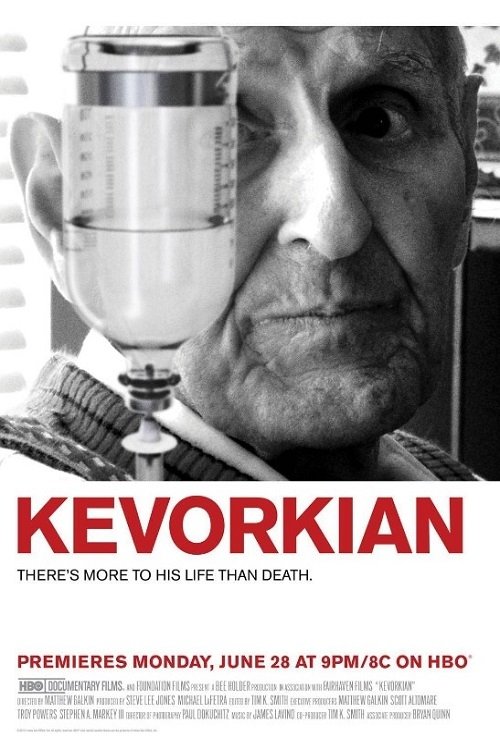
Documentary about Dr. Jack Kevorkian, who was performing euthanasia in the US in 1990's
2011
1978

2016

1984

2011

2015
2003

2011
No reviews yet. Be the first to share your thoughts on this movie!
Use the rating form above to leave a star rating and optional review.