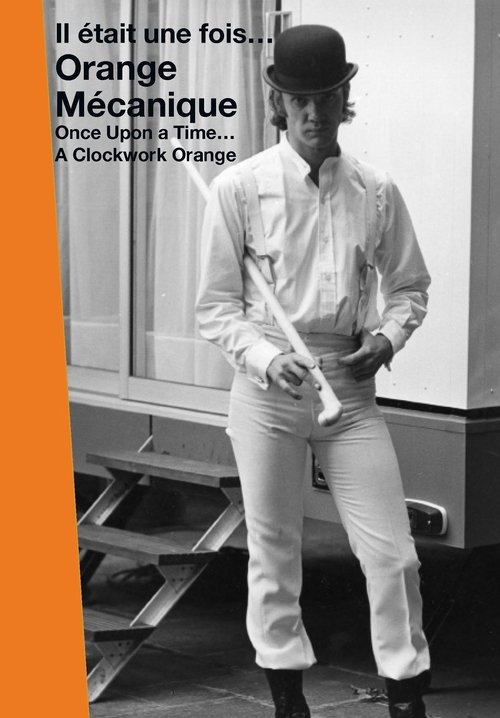
Once Upon a Time… A Clockwork Orange
2011
No user ratings available yet
Diversity score: 5.4 out of 10
2011
Director
Antoine de Gaudemar
Runtime
53 minutes
Average Rating
No ratings yetSynopsis
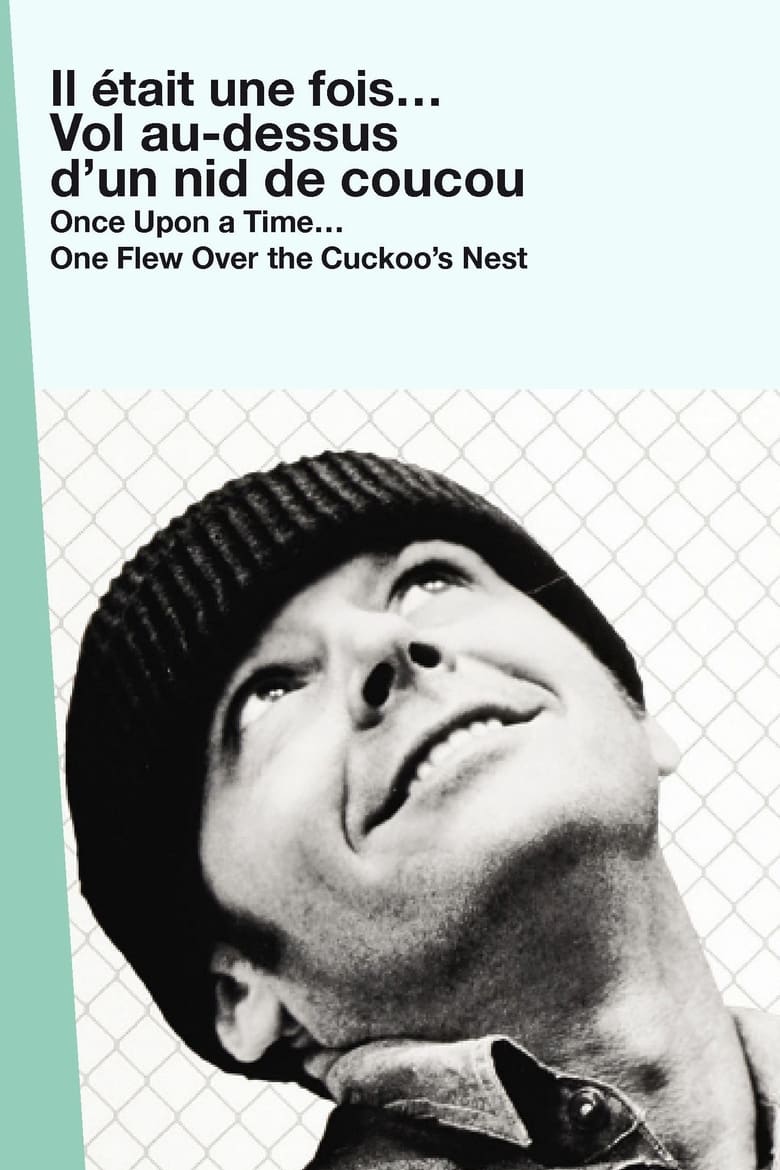
A documentary about the making of Milos Forman's 1975 film ONE FLEW OVER THE CUCKOO'S NEST, featuring interviews with the director, cast, and crew.
Overall Score
Good
Category Breakdown
LGBTQ+ Representation
The documentary offers nuanced context regarding the subtextual elements of the original film. It provides perspectives that challenge heteronormative institutional standards, though these identities remain a secondary focus of the retrospective.
Gender Representation
Interviews explore power dynamics between authoritative male figures and marginalized individuals. The film highlights the subversion of traditional hierarchies and the disruption of masculine leadership within the medical establishment.
Racial & Ethnic Diversity
Reflecting the casting constraints of the mid-1970s, the documentary lacks significant racial diversity. It provides a platform to discuss historical context but does not introduce new intersectional perspectives.
Religious & Cultural Diversity
The work excels at examining systemic critique and the struggle against oppressive Western institutions. It frames the conflict as a necessary liberation from a rigid, dehumanizing social order.
Disability Representation
The documentary grants dignity to neurodivergence and mental health by treating patients as central figures. It avoids tropes by focusing on the emotional complexities of portraying characters outside societal norms.
Strengths
Areas for Improvement
AI Analysis
This documentary functions as a scholarly retrospective, preserving the thematic weight of Miloš Forman’s original masterpiece. It succeeds by framing the production through a lens of systemic critique, focusing on the tension between individuals and oppressive institutions. While the film provides deep agency to characters with mental health struggles, it is limited by its historical subject matter. The racial and LGBTQ+ elements are reflective of the 1970s era rather than contemporary intersectional standards. Ultimately, the work serves as a sophisticated exploration of moral relativism and the deconstruction of traditional power structures.
2011
2023
1972
1981

2011
2004

2008

1979
2016
1997
1988
2013
No reviews yet. Be the first to share your thoughts on this movie!
Use the rating form above to leave a star rating and optional review.