Mother Teresa of Calcutta
2003
No user ratings available yet
Representation score: 3.8 out of 10
Representation Score
Limited
1975
TV-PGDirector
George Schaefer
Runtime
105 minutes
Average Rating
No ratings yetNew Showbiz Analysis
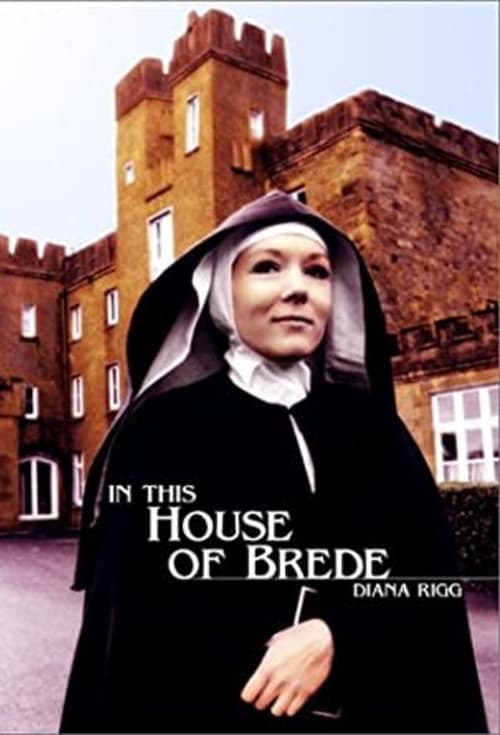
In This House of Brede is a traditional period drama that prioritizes character studies over systemic disruption. It succeeds in presenting nuanced women's ability to drive the story through its protagonist's spiritual journey, offering a look at women navigating leadership and autonomy. However, the film is limited by the demographic homogeneity of its era. The cast lacks racial diversity, and the narrative remains strictly within the bounds of established Western religious and social hierarchies. While the emotional bonds between women provide depth, the lack of explicit LGBTQ+ representation and the absence of diverse cultural or physical perspectives results in a low overall score.
Category Breakdown
The film explores strong emotional connections between female characters, particularly Joanna and Philippa. These connections are not explicitly marked as LGBTQ+, and there is no overt same-sex intimacy, keeping the relationship within a traditional framework.
Philippa demonstrates significant influence by choosing to give up secular power for a spiritual vocation. The narrative highlights female leadership and intellectual independence, but these themes are confined within religious contexts.
The cast is predominantly white, reflecting a homogeneous Anglo-Saxon population. There is no indication of racial diversity or inclusion of characters from different racial backgrounds.
The story is deeply rooted in Benedictine monastic traditions and upper-class structures. It emphasizes spiritual devotion and communal stability without challenging Western religious or moral institutions.
The film focuses on the psychological and spiritual growth of its characters. There are no prominent depictions of physical or neurodivergent disabilities.
Present on Screen
Limited or Absent
Official Synopsis
Philippa Talbot is a talented London businesswoman who has decided to give up her position and power to become a nun. The man who loves her is in shock over her departure from his life. When Philippa arrives at Brede, a cloistered Benedictine monastery, the abbess who was responsible for convincing her to enter this vocation suddenly dies. Her successor is Catherine, a sensitive leader who's the first to tell the newcomer to the community that all nuns are to love without a preference for one over another. This becomes very difficult when Joanna, a young nun, singles Sister Philippa out and grows very attached to her.
2003

1947

2014
1959
1974
1967
1979
1962
No reviews yet. Be the first to share your thoughts on this movie!
Use the rating form above to leave a star rating and optional review.