
Shameful Secrets
1993
No user ratings available yet
Representation score: 1.4 out of 10
Representation Score
Good
1995
Director
Bill Corcoran
Runtime
93 minutes
Average Rating
No ratings yetNew Showbiz Analysis
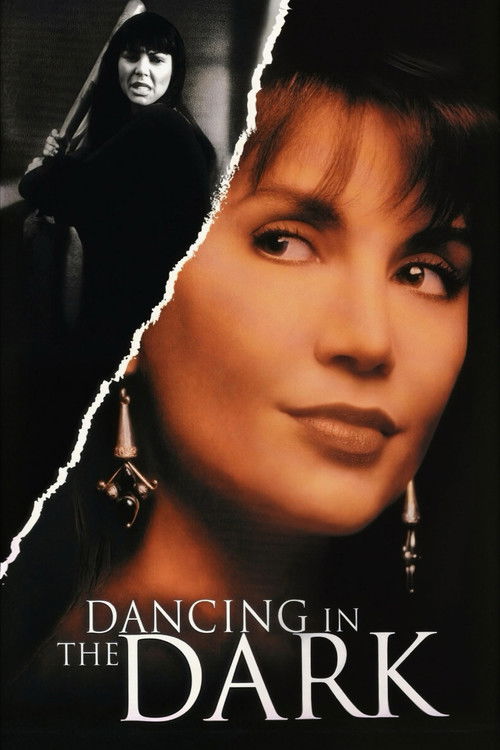
Dancing In The Dark is a psychological drama that deconstructs the domestic sphere. It challenges traditional gender roles by portraying the husband as unreliable and complicit. However, the film lacks multi-layered depth, focusing on a narrow social lens and offering little in the way of racial or LGBTQ+ representation. While the exploration of mental health is central, it is handled through a lens of psychiatric intervention that may lean into medicalized clichés, potentially undermining the protagonist's ability to drive the story.
Category Breakdown
The film adheres to a traditional framework centered around straight relationships and does not include non-cisgender identities. There is no representation of LGBTQ+ individuals.
Anna's struggle against patriarchal structures is a central theme. The film challenges traditional gender roles by portraying the husband as unreliable and complicit, rather than a protector.
The story does not mention a diverse cast or specific racial dynamics. It focuses on a homogeneous social unit typical of 1990s television dramas.
The narrative critiques the idea of the nuclear family as a source of trauma. It explores the breakdown of traditional Western domestic ideals.
Mental health is central to the plot through the protagonist's institutionalization. However, the story risks using the 'madwoman' cliché to facilitate a loss of ability to act.
Present on Screen
Limited or Absent
Official Synopsis
Anna Forbes suffers an attack and sexual abuse by her father-in-law. But when she overcomes her fear and tells her husband Mark what happened he does not believe her, choosing instead to believe his father who denies everything. As Anna becomes increasingly desperate to be believed and her actions become more erratic, Mark has her committed to a mental institution for psychiatric treatment.
1993
1995

2024

2002

1991
2017

2020

2018
No reviews yet. Be the first to share your thoughts on this movie!
Use the rating form above to leave a star rating and optional review.