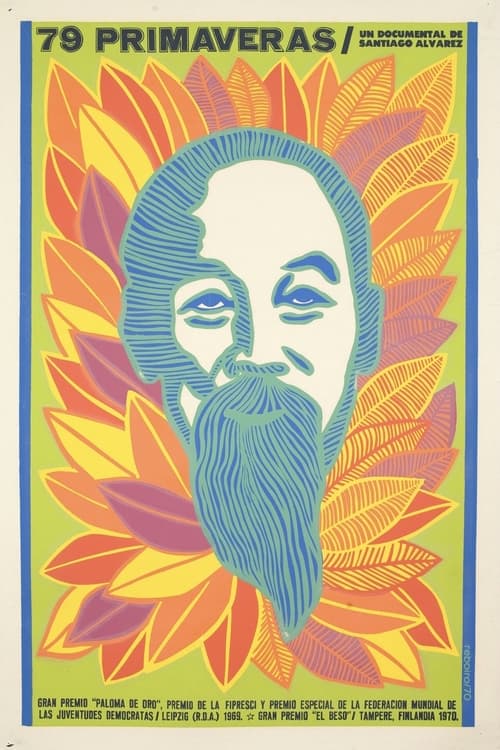
79 Springs
1969
No user ratings available yet
Representation score: 6.0 out of 10
Representation Score
Limited
1967
Director
Santiago Álvarez
Runtime
19 minutes
Average Rating
No ratings yetNew Showbiz Analysis
Santiago Álvarez’s documentary is a seminal piece of Third Cinema that prioritizes decolonial aesthetics over traditional narrative structures. It succeeds brilliantly in challenging Western-centric historical narratives by centering a multi-racial, multi-ethnic collective. The film's strength lies in its radical rejection of capitalist-centric storytelling and its embrace of post-colonialist themes. However, the film is limited by the ideological constraints of its 1967 context. The representation of gender is heavily skewed toward masculine militant archetypes, often relegating women to secondary positions. Furthermore, there is a total absence of LGBTQ+ and disability representation within the archival montage. Ultimately, the film is a powerful tool for political subversion that trades individual identity exploration for a collective, revolutionary focus. It is a masterpiece of cultural critique that remains narrow in its depiction of personal identity.
Category Breakdown
The film does not depict any LGBTQ+ identities or non-binary gender expressions. It focuses on the collective revolutionary struggle and masculine archetypes.
The narrative centers on masculine revolutionary figures, particularly Che Guevara. Women appear in archival footage but often play supporting or secondary roles rather than having primary political influence.
The film excels in showing a multi-racial revolutionary force, highlighting Afro-Cuban and mixed heritage participants. It presents a non-white, multi-ethnic collective as the main protagonists of history.
The film serves as a strong critique of Western dominance through an anti-capitalist lens. It prioritizes the ability to act of the working class and peasants over Western-centric morality.
There is no specific focus on disability, neurodivergence, or chronic illness. Subjects are presented through the lens of physical struggle and revolutionary action.
Present on Screen
Limited or Absent
Official Synopsis
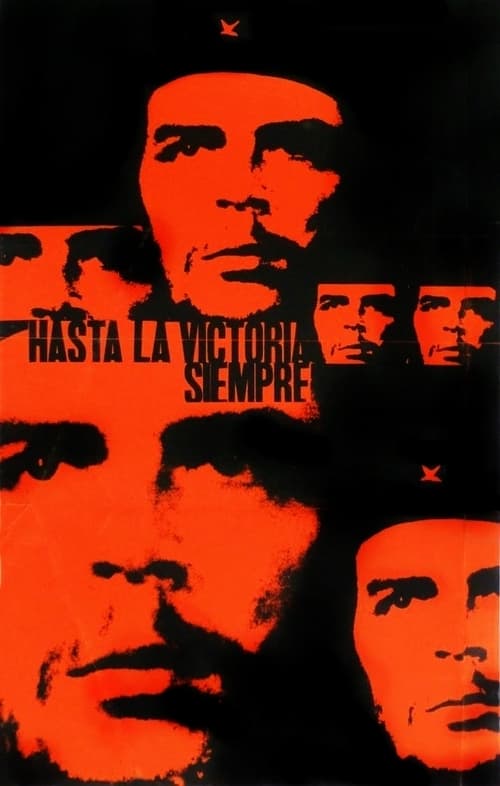
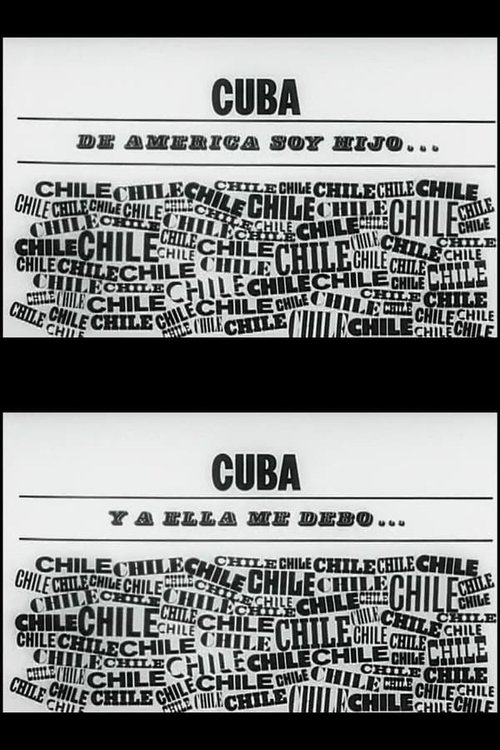
Created within forty-eight hours of Che Guevara’s death, Hasta la Victoria Siempre is a Cuban documentary tribute that combines archival footage, speeches, and images of revolutionary struggle to commemorate Guevara and reaffirm the ideals of the Cuban Revolution.
1969
2017
2010
1972
1969
2008
1994
1973
No reviews yet. Be the first to share your thoughts on this movie!
Use the rating form above to leave a star rating and optional review.