
Che!
1969
No user ratings available yet
Representation score: 3.3 out of 10
Representation Score
Limited
2004
RDirector
Walter Salles
Runtime
126 minutes
Average Rating
No ratings yetNew Showbiz Analysis
This film is a powerful exploration of post-colonial identity, focusing on systemic struggles rather than bourgeois privilege. It excels in highlighting the experiences of underrepresented ethnic groups and critiquing capitalist systems. However, the narrative remains confined by the social structures of the 1950s. Limited gender diversity and the absence of LGBTQ+ representation restrict its inclusiveness despite its progressive themes. Ultimately, the film serves as a moral awakening, using the protagonists' journey to validate the voices of historically disenfranchised communities and challenge established social orders.
Category Breakdown
The film centers on the friendship between two male characters without depicting any romantic relationships or identities outside of the cisgender norm.
Men predominantly drive the narrative, while women are mostly portrayed in domestic or supportive roles within the historical context.
The film highlights the lived experiences of indigenous and mixed-race populations, emphasizing systemic racial inequalities and the exploitation of underrepresented communities.
The story critiques Western-aligned economic structures and examines the exploitation of Latin American labor through a post-colonial perspective.
The film depicts physical ailments and hardships as part of the environment, but does not focus on disability or neurodivergence as central themes.
Present on Screen
Limited or Absent
Official Synopsis
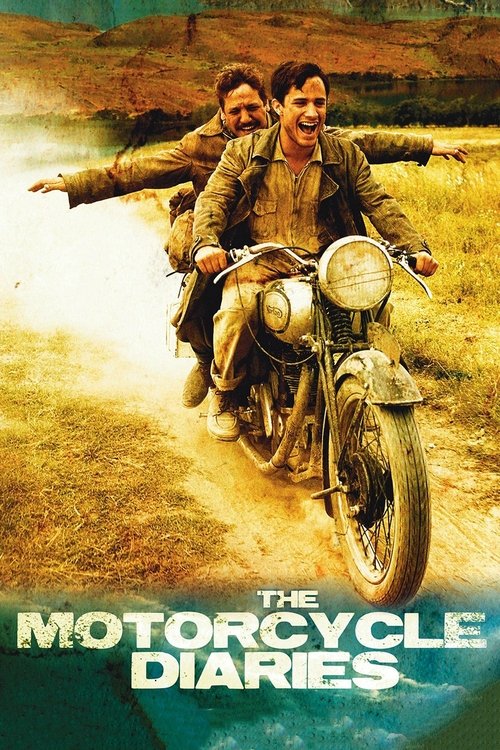
Based on the journals of Che Guevara, leader of the Cuban Revolution. In his memoirs, Guevara recounts adventures he and best friend Alberto Granado had while crossing South America by motorcycle in the early 1950s.
1969

1964
2015

2013
2002

2010
1996

2005
No reviews yet. Be the first to share your thoughts on this movie!
Use the rating form above to leave a star rating and optional review.