
Interlude in Prague
2017
No user ratings available yet
Representation score: 2.3 out of 10
Representation Score
Fair
2000
Director
Ricky Tognazzi
Runtime
107 minutes
Average Rating
No ratings yetNew Showbiz Analysis
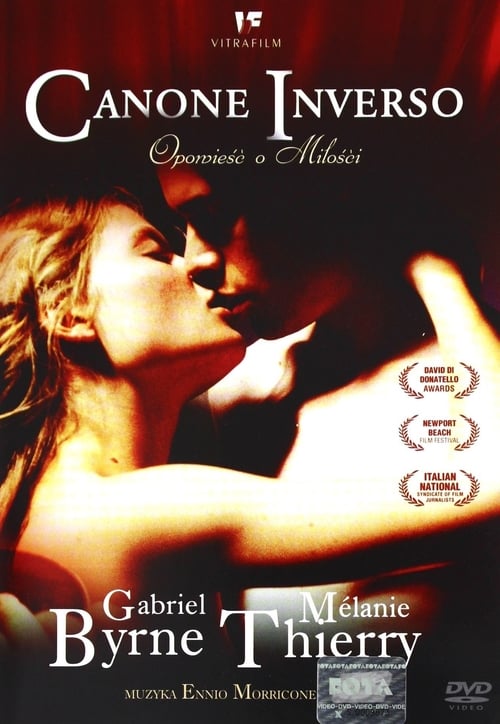
Making Love is a period drama that emphasizes emotional subjectivity rather than diverse identities. It employs music as a means to explore human connections amid the political upheaval of 1968 Prague. The film excels in its examination of the tension between personal freedom and societal structures, though it does not provide explicit representation of LGBTQ+ identities, diverse casting, or disabilities.
Category Breakdown
The story focuses on a romantic relationship between Jeno and Sophie. Despite the 1968 Prague setting suggesting complex intimacy under surveillance, there is no clear indication of queer identities.
Costanza's contemplative role initiates the emotional exploration. The film shifts away from typical patriarchal or action-focused narratives, emphasizing interpersonal dynamics.
Set in 1968 Prague, the film reflects the relatively uniform population of that time. There is no indication of diverse casting to challenge this historical context.
The film highlights cultural instability by contrasting individual expression with state control. Music acts as a subversive force against the political pressures of the late 1960s.
There is no depiction of physical or cognitive disabilities in the narrative.
Present on Screen
Limited or Absent
Official Synopsis
Costanza is drinking a beer in a Prague pub, a summer night in 1968, while a violinist enters and starts playing a "canone inverso" for her. It is not a case, that music and that violin have a story behind that could concern her. It is the love story between Jeno Varga and the music, between Jeno and Sophie.
2017
1992
1980
1986
1984
1994
1990
1998
No reviews yet. Be the first to share your thoughts on this movie!
Use the rating form above to leave a star rating and optional review.