Hilary and Jackie
1998
No user ratings available yet
Representation score: 6.4 out of 10
Representation Score
Good
2008
Director
Helma Sanders-Brahms
Runtime
107 minutes
Average Rating
No ratings yetNew Showbiz Analysis
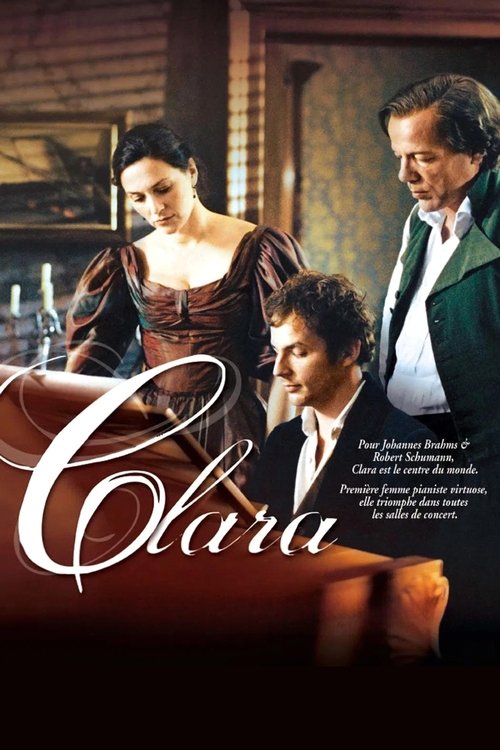
Helma Sanders-Brahms presents a character study that emphasizes Clara Schumann’s professional ability to act within a historically restrictive period. By centering Clara’s intellectual and professional life, the film effectively challenges traditional gender hierarchies. However, the film’s historical setting limits its racial and LGBTQ+ diversity. The depiction of mental health issues adheres to conventional biographical clichés rather than exploring deeper neurodivergence. Ultimately, the film excels in disrupting traditional female roles while maintaining the social homogeneity of the 19th-century German bourgeoisie.
Category Breakdown
The film focuses on the marriage of the Schumanns, which is centered around heterosexual relationships. It delves into the intimacy of the Romantic era but does not include explicit representations of non-binary gender identities or queer perspectives.
Clara Schumann is portrayed as a professional composer who plays a significant role in driving the story. The narrative challenges the 'muse' stereotype by highlighting her struggle against the restrictive domestic environment of the 19th century.
Set within the 19th-century German musical elite, the film reflects the historical homogeneity of its time. There is no indication of racial blending or color-blind casting.
The story dismantles patriarchal family structures and rigid societal expectations of the German middle class. It examines the tension between individual artistic freedom and oppressive domestic duties.
Robert Schumann’s mental health struggles are used as markers for his character arc. The portrayal follows the traditional cinematic cliché of the 'tortured artist,' focusing on his personal and professional struggles.
Present on Screen
Limited or Absent
Official Synopsis
A look at the lives of 19th-century composers Clara and Robert Schumann.
1998

2013
1994
1994

2017
2024

1993
1947
No reviews yet. Be the first to share your thoughts on this movie!
Use the rating form above to leave a star rating and optional review.