
Alone in the Night
1994
No user ratings available yet
Representation score: 5.3 out of 10
Representation Score
Limited
1997
Director
Daisuke Gotô
Runtime
86 minutes
Average Rating
No ratings yetNew Showbiz Analysis
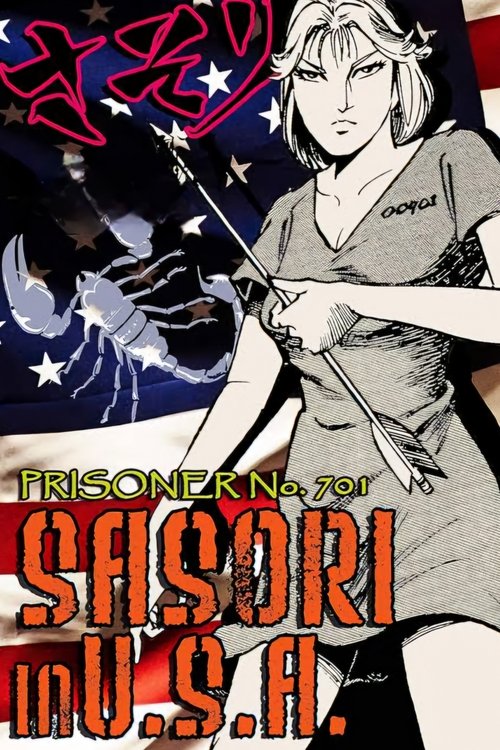
Sasori in U.S.A. is a transnational crime drama centered on a Japanese woman navigating the American legal system. The film's primary strength lies in its portrayal of a female protagonist moving from a position of vulnerability to one of a significant role in driving the story and vengeance. While the film explores themes of displacement and cross-cultural friction, it lacks representation for LGBTQ+ identities and disability. The narrative focus remains tightly on the protagonist's struggle against a foreign judicial structure and her personal quest for justice.
Category Breakdown
The film does not include any characters with non-straight or non-cisgender identities. The main conflict revolves around a heterosexual marriage and romance.
The female protagonist transitions from being a victim to an active seeker of vengeance, challenging traditional stereotypes of female passivity.
The film features a Japanese protagonist who navigates a Western setting, highlighting the experiences of someone from a non-Western background within the American legal system.
The story examines the tension between an individual and the California prison system, potentially critiquing institutional reliability and foreign state institutions.
There is no information regarding the depiction of physical disabilities, neurodivergence, or mental health conditions in this narrative.
Present on Screen
Limited or Absent
Official Synopsis
Japanese lady gets framed for killing her man and is shipped off to prison in California. She escape and seek vengeance against those who wronged them.
1994
1972
1983
1972
2000
1974
1984

2018
No reviews yet. Be the first to share your thoughts on this movie!
Use the rating form above to leave a star rating and optional review.