
Kaizokuban Bootleg Film
1999
No user ratings available yet
Representation score: 3.4 out of 10
Representation Score
Fair
2000
Director
Junji Sakamoto
Runtime
123 minutes
Average Rating
No ratings yetNew Showbiz Analysis
Face is a traditional crime drama that leans heavily on genre clichés rather than deconstructing social hierarchies. The narrative structure relies on conventional power dynamics and localized cultural norms. The film serves as a straightforward exploration of criminal morality and individual desperation. It lacks the intention to challenge traditional expectations around gender, race, or identity. Overall, it presents a culturally homogeneous narrative that reflects its specific setting without engaging in broader storytelling that considers diverse identities.
Category Breakdown
The film does not include any LGBTQ+ characters or explore non-cisgender identities. It centers on traditional masculine roles and relationships.
Masako drives the plot through her anger, but the narrative remains dominated by male-centric themes. Women's influence is shown through reactive responses rather than challenging gender norms.
The cast is mainly Japanese, offering cultural authenticity to the setting. However, there is little complexity in terms of racial diversity or intentional demographic blending.
The story delves into moral decay and greed within a closed social system. It avoids overt political critiques and sticks to typical crime genre clichés and betrayal scenarios.
The film does not feature any significant visible or invisible disabilities in the character arcs. Challenges faced by characters are primarily psychological and socioeconomic.
Present on Screen
Limited or Absent
Official Synopsis
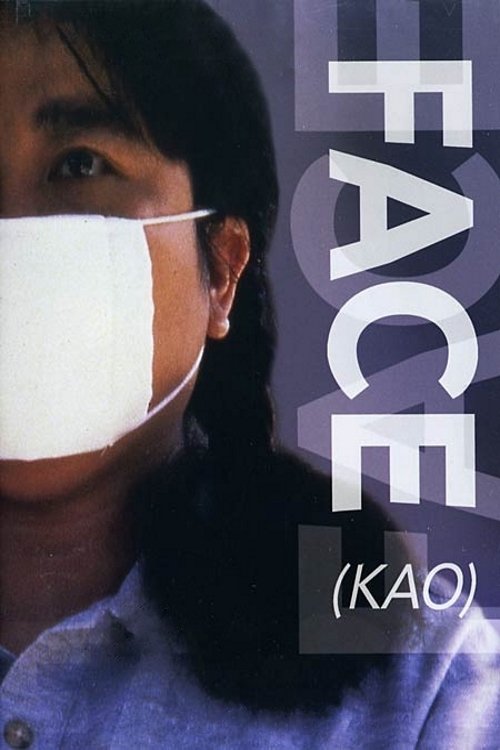
Awkward and withdrawn, Masako kills her sister in an explosion of pent-up humiliation and rage that sends her tumbling into fugitive life.
1999

1998
2019
2005

2002

1970
2010

1998
No reviews yet. Be the first to share your thoughts on this movie!
Use the rating form above to leave a star rating and optional review.