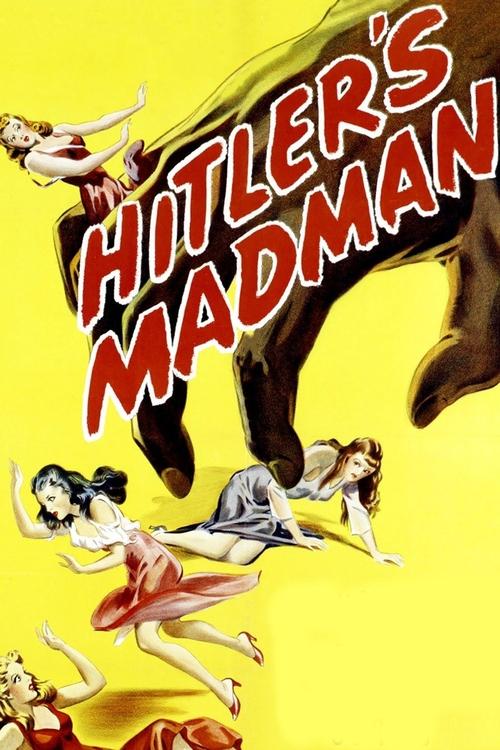
Hitler's Madman
1943
No user ratings available yet
Representation score: 3.9 out of 10
No Poster Available
Representation Score
Minimal
1943
ApprovedDirector
George Sherman
Runtime
58 minutes
Average Rating
No ratings yetNew Showbiz Analysis
The film is a typical product of its historical period, designed to support wartime mobilization through traditional heroism. It relies on clear moral distinctions rather than nuanced character studies. Representation is heavily focused on male-centric action and Western archetypes. The narrative serves to reinforce existing social hierarchies and nationalistic sentiments rather than challenging them. While the inclusion of a German expatriate adds some political complexity, the film ultimately lacks depth in addressing multiple aspects of diversity and does not challenge traditional power dynamics.
Category Breakdown
The film does not include any LGBTQ+ characters or narratives. It follows the assumption that everyone is straight or cisgender, which was typical of 1943 wartime cinema.
The story focuses on the actions of a male American flyer and a male schoolmaster. Women do not have roles of leadership or high intellect in the film.
The cast primarily features Western and Allied characters. Although a German expatriate adds some ethnic complexity, the portrayal of the enemy relies on simplified comedic stereotypes.
The narrative emphasizes a clear moral distinction between the Allies and Nazis. It reinforces traditional Western values and nationalistic ideals of the time.
There are no characters with visible or invisible disabilities in the film. Such representation is entirely absent from the narrative.
Present on Screen
Limited or Absent
Official Synopsis
German expatriate Fritz Kortner plays the largest role, as an anti-Nazi schoolmaster who helps a downed American flyer (John Archer) reached Allied lines with vital war information. As usual, the Nazis are incredibly stupid and lead-footed, enabling the flyer to accomplish his mission.
1943
1959

1964

1943
1944
1942
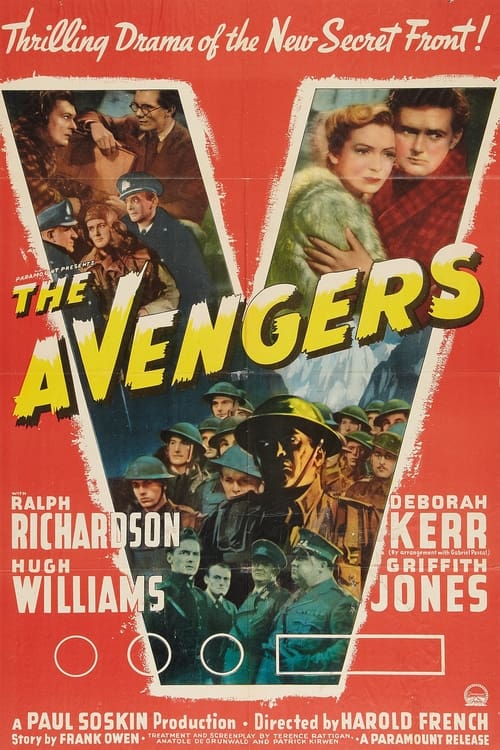
1942
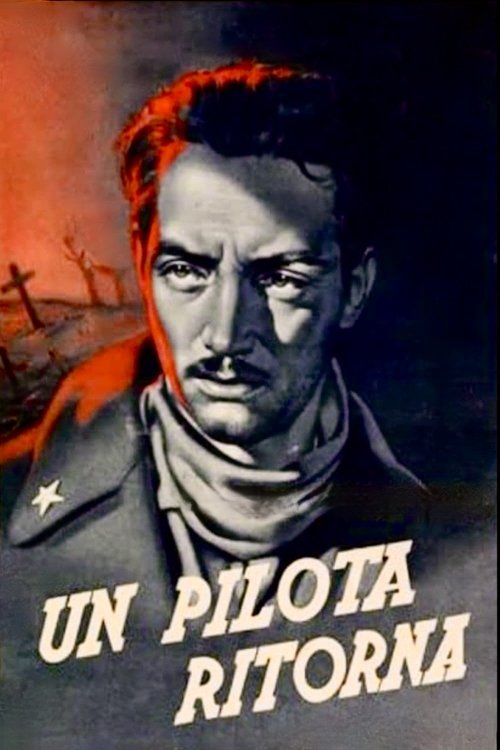
1942
No reviews yet. Be the first to share your thoughts on this movie!
Use the rating form above to leave a star rating and optional review.