
They Came to Blow Up America
1943
No user ratings available yet
Representation score: 0.3 out of 10
Representation Score
Fair
1951
NRDirector
Lesley Selander
Runtime
85 minutes
Average Rating
No ratings yetNew Showbiz Analysis
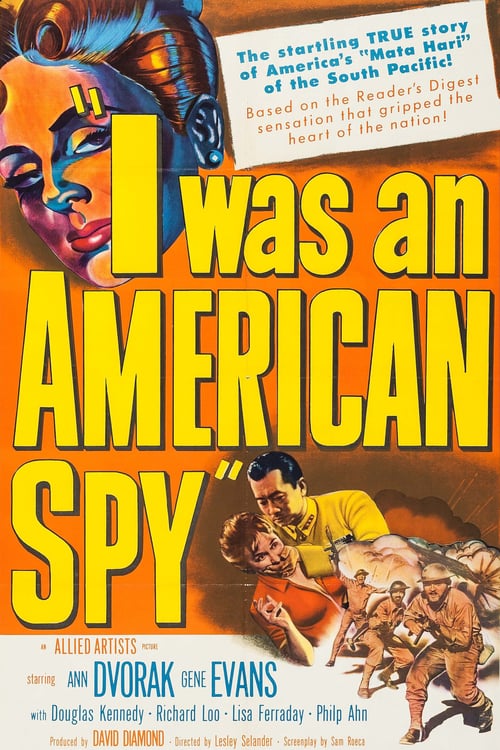
I Was an American Spy stands out for its subversion of gender roles, placing a woman at the center of a high-stakes intelligence operation. This portrayal grants her a level of ability to act and competence rarely seen in mid-century dramas. However, the film remains deeply rooted in the social hierarchies of its time. It lacks diversity in racial, cultural, and LGBTQ+ representation, focusing almost exclusively on a Western, pro-Allied perspective of the war. Ultimately, while the female lead offers a progressive element, the film's narrow demographic focus and adherence to traditional wartime clichés limit its overall diversity profile.
Category Breakdown
The film does not include any LGBTQ+ characters or narratives, sticking closely to the conventional romantic and social norms of the 1950s.
The story focuses on a female protagonist who is shown to be highly capable and active in the male-dominated world of espionage. She is portrayed as intellectually competent and brave, rather than as a passive figure.
The cast is mainly white, focusing on American and French resistance movements. The narrative maintains a traditional demographic focus, with minimal non-Anglo-Saxon casting.
The film emphasizes Western values of patriotism and resistance against fascism. It depicts socioeconomic hardships primarily to highlight the importance of the Allied cause.
There is no significant representation of disabilities. The narrative does not address neurodivergence or physical disabilities as central identities.
Present on Screen
Limited or Absent
Official Synopsis
An American nightclub singer in 1940's Singapore becomes a spy for America in an effort to get back at the invading Japanese army. Based on a true story.
1943
1952
1958
1942
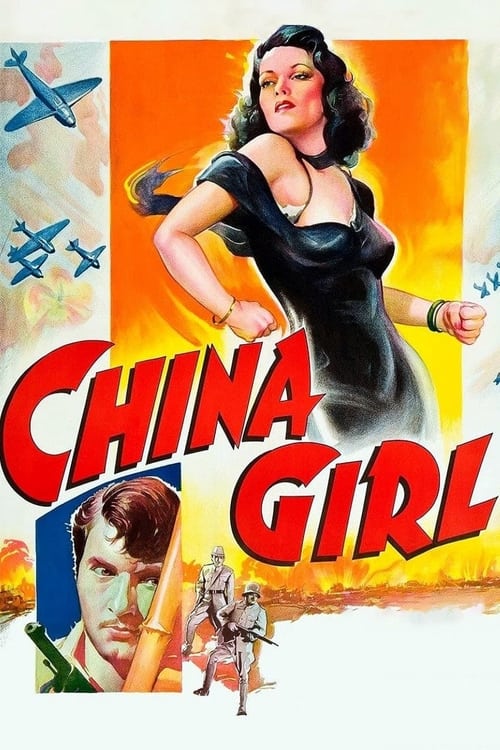
1942
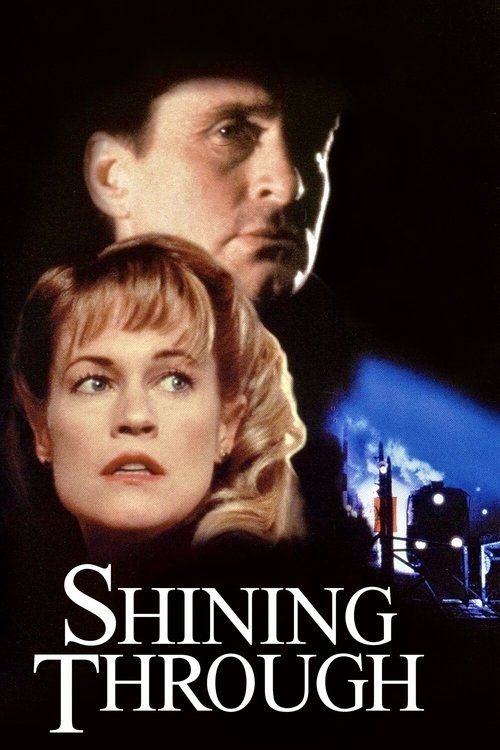
1992
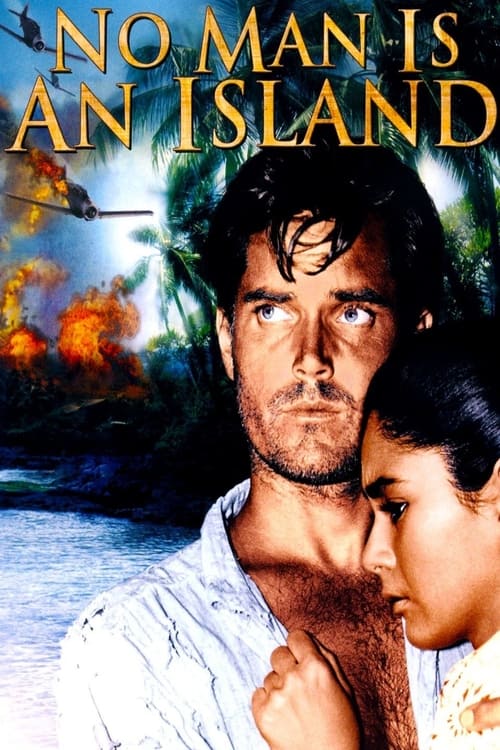
1962
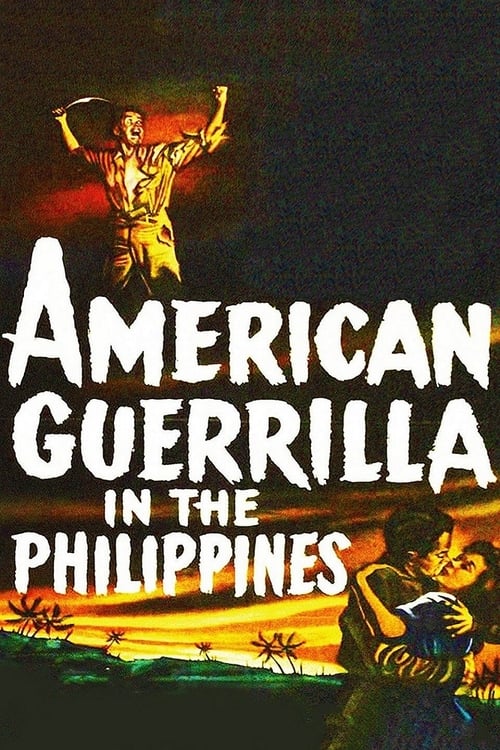
1950
No reviews yet. Be the first to share your thoughts on this movie!
Use the rating form above to leave a star rating and optional review.