
The Revolt of the Fishermen
1934
No user ratings available yet
Representation score: 3.9 out of 10
Representation Score
Minimal
1975
Not RatedDirector
Ken Hannam
Runtime
93 minutes
Average Rating
No ratings yetNew Showbiz Analysis
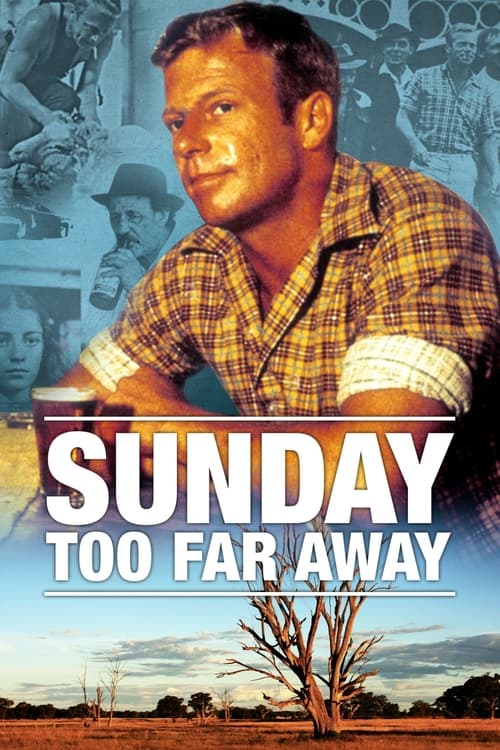
Sunday Too Far Away provides a detailed look at a specific cultural setting from the mid-1970s. The film centers on the hyper-masculine world of sheep-shearers, emphasizing physical strength and local labor conflicts. The demographic is largely uniform, reflecting the historical context of the Australian shearing industry. The film portrays a society where identity is closely tied to labor and competition, rather than diverse social representation.
Category Breakdown
The film is set in a traditional, male-dominated environment with no representation of LGBTQ+ identities or non-binary genders.
The film emphasizes masculinity through physical labor, competition, and stoicism. Women are largely absent from the main storyline and power structures.
The cast is predominantly white, reflecting the historical context of the Australian shearing industry. Characters of color are not prominently featured.
The story delves into class tensions and labor disputes between unionized and non-union workers, focusing on individual achievement and professional rivalry.
The narrative highlights physical peak performance and intense competition, with no visible or invisible disabilities represented.
Present on Screen
Limited or Absent
Official Synopsis
The harsh, competitive world of Australian sheep-shearers provides the setting for this powerful film. Foley and 'Black Arthur' do battle for the position of 'top shearer' amid the boozy world of men isolated from civilisation. After weeks of work they are confronted with non-union labour undercutting them - a situation which leads to a violent conclusion.
1934
1971

2013

1990
1952

1949

1961
1954
No reviews yet. Be the first to share your thoughts on this movie!
Use the rating form above to leave a star rating and optional review.