The Beau Brummels
1928
No user ratings available yet
Representation score: 1.3 out of 10
Representation Score
Limited
1929
TV-GDirector
Murray Roth
Runtime
10 minutes
Average Rating
No ratings yetNew Showbiz Analysis
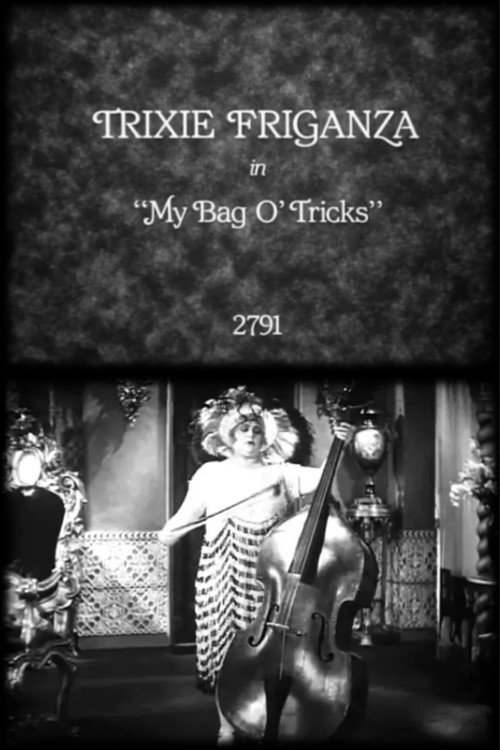
The film opens on a vaudeville stage where Trixie Friganza, clad in a wide-brimmed hat and diaphanous shawl, commands the audience’s attention. She is not a passive object of the gaze but the active narrator, spinning a tale of a friend’s marital infidelity before stripping away the costume to reveal a base fiddle and a comic song about her own two husbands. This structure sells a vision of female agency as entertainment: the woman is the trickster, the singer, and the moral arbiter, while the men in her life are merely subjects of her comic inventory. The sold meaning is that romantic failure and infidelity are sources of humor rather than shame. The friend’s decision to step out on her husband is treated with lightness, concealed from her son only to protect the child’s innocence, not to uphold a rigid domestic ideal. Friganza’s final song, detailing her past marriages, reinforces this by framing her history as a series of amusing misadventures rather than a tragedy. The camera loves her competence and her voice, positioning her as the unmarked center of the narrative. The film’s argument is simple: a woman’s life is her own story to tell, and her past relationships are material for her art. There is no external moral judgment; the "moral" Friganza offers is likely a wink at the audience, suggesting that the chaos of romantic life is best handled with a song and a smile. The ending, where she stands center stage, rewards her for her performance and her candor. It is a small, self-contained world where the woman holds the pen, the fiddle, and the final word, challenging the era’s default of female passivity without needing to shout.
Category Breakdown
No queer identities appear. The narrative tracks strictly heterosexual dynamics, focusing on a woman’s romantic history with men. The stage remains exclusively straight.
Trixie Friganza acts as the moral center, recounting her own affairs and husband-hunting. The female friend is a passive listener whose infidelity is treated as a lighthearted anecdote.
The cast is exclusively white, reflecting the standard vaudeville demographic of 1929. No non-white characters are present or mentioned in the performance.
Marital infidelity is framed as a comic plot device rather than a moral failing. The story treats female autonomy in romance as normal, with no punitive consequences.
No characters are depicted with physical, cognitive, or sensory impairments. The focus remains entirely on performance and romance, leaving disability absent.
Present on Screen
Limited or Absent
Official Synopsis
A vaudeville act. Trixie Friganza performs first a story and then a song. For the story, she wears a wide-brimmed had and a matching diaphanous shawl. She tells of a visit to a friend who has a five-year old son. The mother tells Trixie a tale of stepping out on her husband, and to conceal the story from the boy, spells out key words. By the story's end, mom is in for a surprise and Trixie has a moral for us. Then, the hat and shawl come off, a base fiddle comes out, and Trixie sings us a comic song about her first two husbands.
1928
1929

1929
1933
1929

1931
1932
1935
No reviews yet. Be the first to share your thoughts on this movie!
Use the rating form above to leave a star rating and optional review.