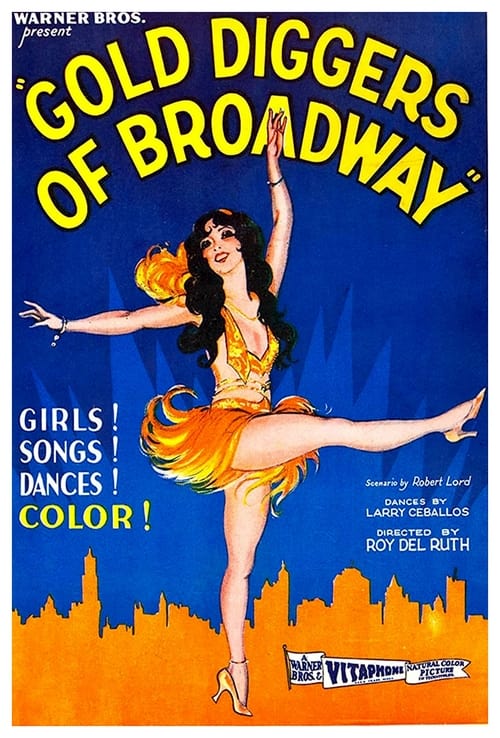
Gold Diggers of Broadway
1929
No user ratings available yet
Representation score: 1.6 out of 10

Representation Score
Fair
1931
NRDirector
Roy Del Ruth
Runtime
66 minutes
Average Rating
No ratings yetNew Showbiz Analysis
The film opens in the dim, contained world of a traveling circus, a space where physical difference is the norm and the "normal" outside world is a distant, judgmental force. Roy Del Ruth’s 1931 pre-Code musical uses the freak show not as a spectacle of horror, but as a morality play on authenticity versus social performance. The sold meaning is clear: the "abnormal" are the true moral agents, while the "normal" world is hollow and prejudiced. Pat, the female lead, is the heart of this argument, her competence and kindness contrasting sharply with the alcoholic, rigid male authority of Col. Gowdy. The film’s argument is that the circus is a sanctuary, a chosen family that operates on genuine human connection rather than the cold hierarchies of the town. The "freaks" are not the joke; they are the victims of a society that dehumanizes them for their bodies. The camera loves these characters, lingering on their faces with a sense of wonder and pity, while the "normal" townspeople are played for melodrama, their shock and disgust exposed as the true abnormality. The ending settles this moral verdict: the circus moves on, leaving the local community with the aftermath of its own prejudice. The performers do not pay a legal price for their existence; they simply leave, their social consequence being the quiet dignity of their departure. The film’s last image is not one of triumph, but of survival, a testament to the resilience of those who are "other." In a 1931 landscape dominated by rigid social norms, *Side Show* offers a radical, if quiet, inversion: the "freaks" are the only ones with genuine emotion, and the "normals" are the monsters.
Category Breakdown
No same-sex intimacy or queer identities appear. The film’s focus on physical difference does not extend to sexual orientation. The cast remains entirely heterosexual in its on-screen dynamics.
Pat, the female lead, is the circus’s moral and operational center. She manages the show while male figures like Col. Gowdy are alcoholic or inept. The film frames female competence as the stabilizing force against male disorder.
The cast is entirely white. No non-white characters appear in the narrative. The story offers no commentary on racial dynamics beyond the physical differences of the performers.
The traveling circus is depicted as a self-sufficient, chosen family. It functions better than the rigid, unpaid-labor structure of the
The
Present on Screen
Limited or Absent
Official Synopsis
A circus side show performer tries to discourage her younger sister from following in her footsteps.
1929
1933
1939
1929

1930
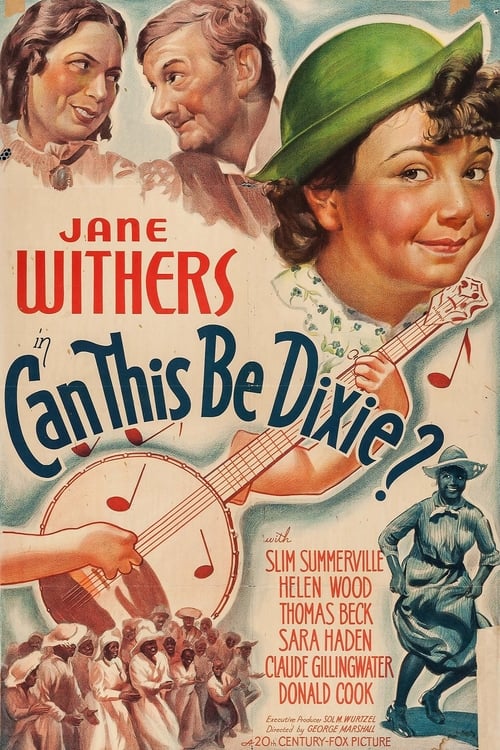
1936
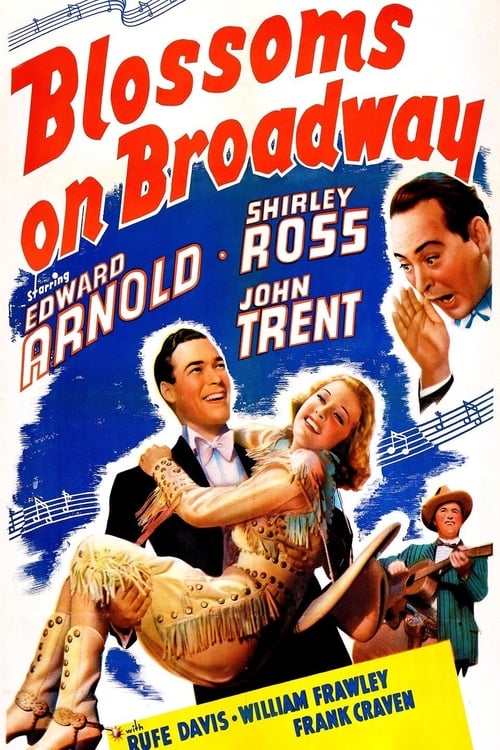
1937
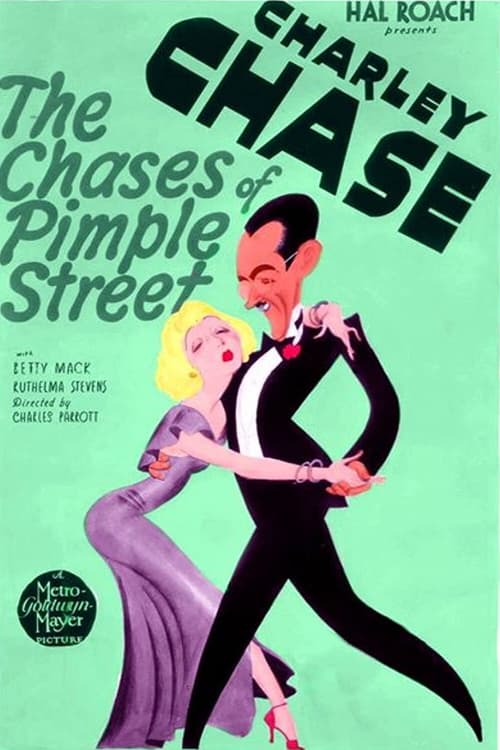
1934
No reviews yet. Be the first to share your thoughts on this movie!
Use the rating form above to leave a star rating and optional review.