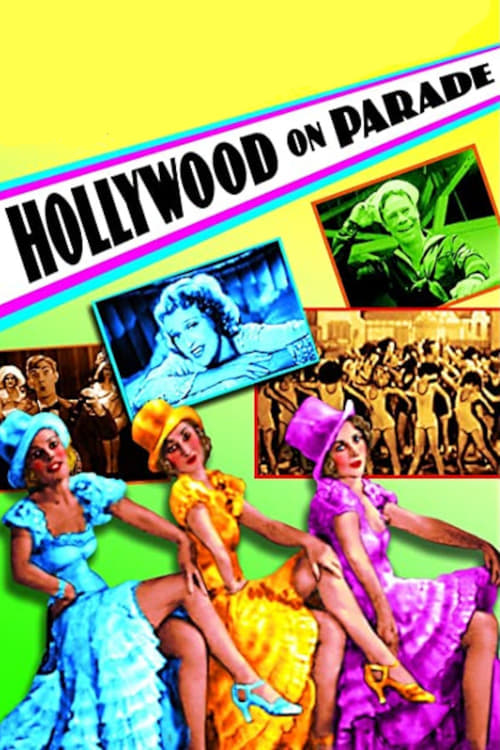
Hollywood on Parade No. A-8
1933
No user ratings available yet
Representation score: 1.6 out of 10
Representation Score
Limited
1932
PassedDirector
Louis Lewyn
Runtime
10 minutes
Average Rating
No ratings yetNew Showbiz Analysis
Hollywood on Parade No. A-1 is a quintessential product of its era, serving as a variety showcase that adheres to the demographic norms of 1932. It prioritizes escapist spectacle and mainstream comedic clichés over any form of progressive or inclusive storytelling. The film relies heavily on established social norms, using performers' physical traits and regional stereotypes for humor. While it showcases professional talent in musical and dance numbers, it lacks the narrative depth needed to challenge the status quo. Ultimately, the production reflects the homogeneous casting and traditional gender roles typical of early Hollywood variety shorts, offering little in the way of diverse or subversive content.
Category Breakdown
The film focuses on traditional musical performances without addressing non-binary gender identities or critiquing heterosexual norms. It lacks narratives that question the assumption that everyone is straight or cisgender.
Female performers like Ginger Rogers display high professional skill. However, the film emphasizes the spectacle of femininity and traditional gender roles common in the 1930s.
The cast appears predominantly white, featuring actors such as Fredric March and Jack Oakie. There is no indication of non-white performers or actors from different racial backgrounds.
The production highlights Western entertainment forms like vaudeville and slapstick humor. It uses regional stereotypes, such as a hillbilly bit, without delving into complex social or secular themes.
Ben Turpin’s distinctive physical appearance is used for comedic effect. The film treats physical differences as a tool for slapstick humor rather than meaningful representation.
Present on Screen
Limited or Absent
Official Synopsis
In the first entry of this series, the show open with a troupe of dancing chorus girls getting a salute from crossed-eyed Ben Turpin. Then the master of ceremonies, Fredric March, brings on the various acts, starting with a pre-teen Mitzi Green), dressed as an adult and singing "Was That the Human Thing to Do?" , followed by Ginger Rogers and Jack Oakie singing-and-dancing to "The Girl Who Used to be You." Then the Three Brox Sisters do a triple imitation of Marlene Dietrich singing 'Falling in Love Again." 'Jack Duffy' does a drunken hillbilly bit involving a lamp post, the the finale has Eddie Peabody, playing a banjo for some chorus girls on a pedestal.
1933
1929
1929
1933
1928
1939
1934
1932
No reviews yet. Be the first to share your thoughts on this movie!
Use the rating form above to leave a star rating and optional review.