
Cactus Flower
1969
No user ratings available yet
Representation score: 1.4 out of 10
Representation Score
Limited
1964
NRDirector
Norman Jewison
Runtime
100 minutes
Average Rating
No ratings yetNew Showbiz Analysis
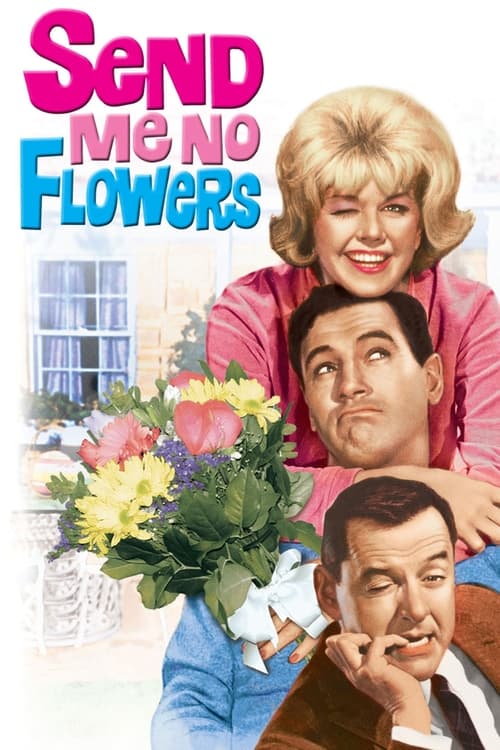
Send Me No Flowers is a period-typical domestic comedy that prioritizes traditional social structures. While it offers a slight challenge to marital stability through themes of infidelity, it lacks multi-layered complexity. The film operates within the conventional romantic frameworks of the 1960s, reinforcing the social status quo through homogeneous casting and a lack of systemic critique. Ultimately, the work functions as a standard studio production of its era, focusing on middle-class domesticity rather than progressive social deconstruction.
Category Breakdown
The film follows a strictly heterosexual and cisgender structure, focusing entirely on a traditional marital unit without any representation of LGBTQ+ identities or non-cisgender perspectives.
Glenda Jackson’s character takes a leading role in driving the story by seeking emotional fulfillment outside her marriage. However, the story remains confined to the domestic sphere and does not challenge patriarchal structures.
The setting is a homogeneous, white, middle-class environment. There is a notable absence of racial or ethnic diversity, reflecting the cinematic norms of 1964.
The narrative explores moral relativism through themes of infidelity. It lacks a critique of Western institutions and instead uses small-town social mores as a stabilizing force.
Hypochondria serves as the central plot catalyst. Instead of offering a nuanced look at mental health, the condition is used primarily as a comedic device.
Present on Screen
Limited or Absent
Official Synopsis
When a hypochondriac assumes that he is dying, he makes an elaborate plan to ensure his wife's happiness. However, trouble ensues when she misunderstands his intentions.
1969

1940
1990

1937

1964

1942

1960

1971
No reviews yet. Be the first to share your thoughts on this movie!
Use the rating form above to leave a star rating and optional review.